We're Hiring! Qualified Receptionists & Nurses for Our Expanding Medical Centres. Join Our Team. Email Your Resume at: admin@healthcareevolutions.com.au We're Hiring! Qualified Receptionists & Nurses for Our Expanding Medical Centres. Join Our Team. Email Your Resume at: admin@healthcareevolutions.com.au

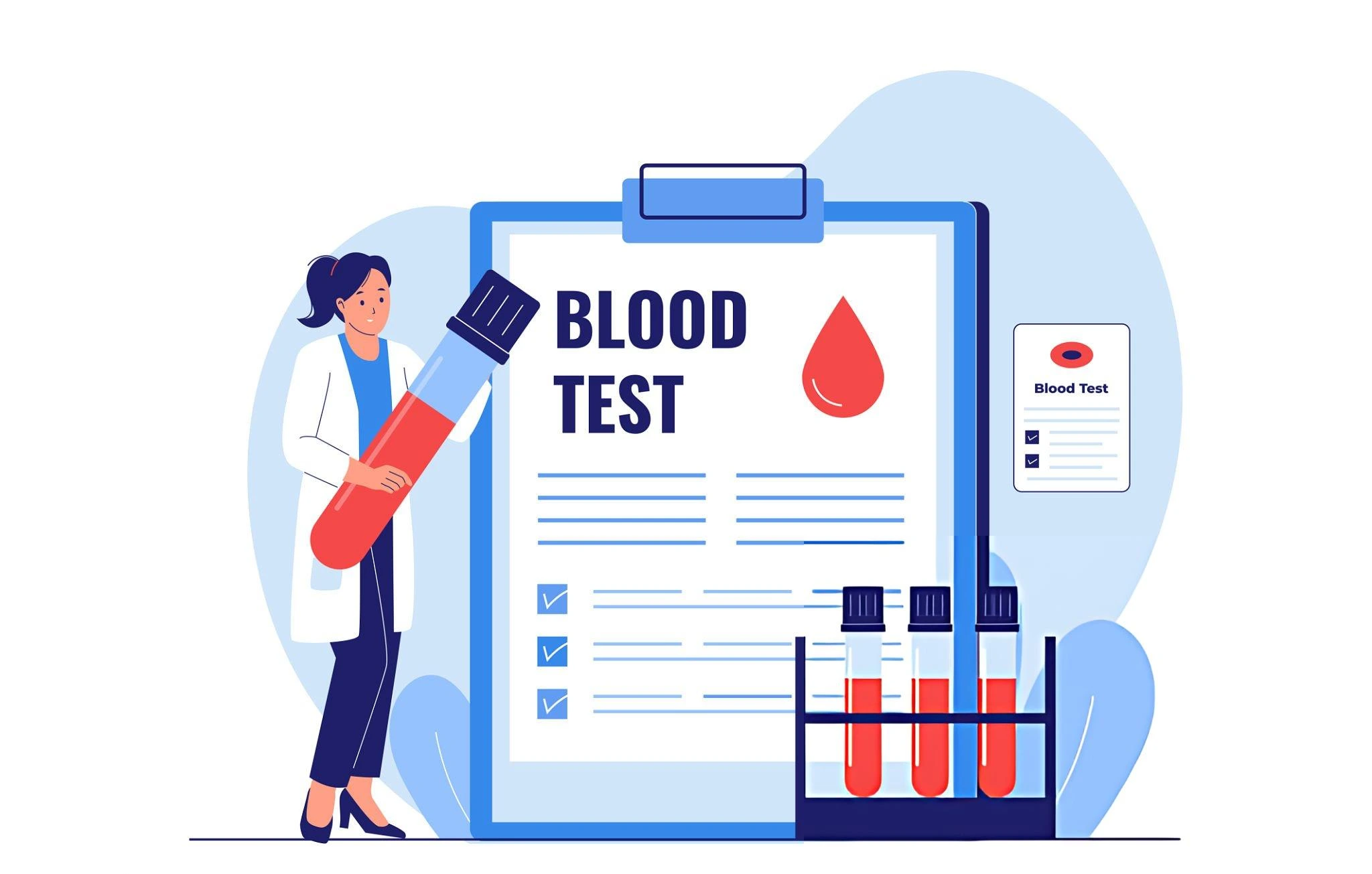
What Routine Blood Tests Can Tell You About Your Health

Many health problems do not cause obvious symptoms in their early stages. You can feel completely fine and still have changes happening inside your body that are worth knowing about. This is one reason why routine blood tests play a useful role in everyday GP care.

When your doctor orders blood work, they are building a clearer picture of your overall health. The results help them look beyond what they can see and hear during a consultation. Combined with your symptoms, history, and physical assessment, blood tests give your GP important information to work with.

If you want a clearer picture of your overall health, speaking with a Wallsend GP can be a practical first step, especially when you have ongoing symptoms, family history concerns, or questions about routine check-ups.

Why Routine Blood Tests Matter

Blood tests are one of the most commonly used tools in general practice. Your GP may order them for several reasons, depending on your age, health history, and what you are experiencing.

They are not just for unwell people. Many doctors use routine blood work as part of preventive care to catch changes before they become bigger problems.

Common reasons a GP may order a blood test include:

  • Checking general health markers during a routine review
  • Investigating symptoms such as tiredness, dizziness, or weight changes
  • Monitoring a long-term condition such as diabetes or thyroid disease
  • Reviewing how your body responds to medication
  • Tracking results over time to notice any changes

One result alone does not tell the full story. Doctors interpret results alongside your symptoms, your history, and the clinical picture as a whole.

What a GP Looks For in a Routine Blood Test

Routine blood work is not just one test. It is often a group of checks selected based on your age, symptoms, medical history, and risk factors. Your GP will choose which panels are relevant for you at a given point in time.

Here are some of the most commonly ordered blood tests in general practice and what they are generally used to assess.

Full Blood Count

A full blood count, often called an FBC, looks at your red blood cells, white blood cells, and platelets. It gives your GP a broad overview of your blood health.

The results may help your doctor look into issues such as anaemia, signs of infection, inflammation, or unusual bruising. It is one of the most frequently ordered tests in GP clinics across Australia.

Blood Sugar Levels

Blood glucose testing and HbA1c checks are used to assess how your body is managing sugar. These tests can help identify diabetes risk or support ongoing monitoring if you have already been diagnosed.

Your doctor may consider ordering these if you have symptoms such as ongoing fatigue, increased thirst, or frequent urination. Family history is also a relevant factor.

Cholesterol and Heart Health Markers

A lipid panel checks your cholesterol levels, including LDL, HDL, and triglycerides. These results may give useful information about your cardiovascular risk.

Results are not looked at in isolation. Your GP will consider them alongside your blood pressure, family history, weight, lifestyle, and any existing conditions before deciding if any changes to your care are needed.

Liver and Kidney Function

Liver function tests and kidney function tests check how well these organs are working. They may be ordered during medication reviews, as part of a health assessment, or when you have symptoms that suggest something may need closer attention.

These tests are particularly relevant if you take regular medications, have a long-term health condition, or are over 40 and have not had a recent health review.

If your doctor recommends blood work, local pathology services can help make the next step easier as part of your broader GP care and follow-up. Wallsend Healthcare has on-site pathology collection available for patients.

What Blood Tests Can Reveal About Common Health Concerns

This is often what people most want to understand. Routine blood tests can support the detection of a range of health concerns, particularly in their earlier stages when they may not yet cause obvious symptoms.

Depending on which tests are ordered, results may help identify or support further assessment of:

  • Iron deficiency or low red blood cell levels, which can contribute to fatigue
  • Raised blood sugar levels may indicate diabetes risk or early type 2 diabetes
  • Cholesterol changes that may be linked to cardiovascular risk
  • Thyroid function changes that can affect energy, weight, and mood
  • Vitamin D or B12 deficiency is clinically relevant if symptoms are present
  • Kidney or liver markers that may warrant further review
  • Signs of infection or inflammation that are not yet producing obvious symptoms

It is important to note that these are possibilities, not certainties. A result that falls outside the reference range does not automatically mean something is seriously wrong. Your GP will discuss what the findings mean for you specifically.

What Blood Tests Cannot Tell You on Their Own?

Blood tests are useful, but they have limits. A normal result does not always explain every symptom, and some conditions may not appear clearly in routine testing. At the same time, an abnormal result does not always mean something serious, as small variations are common.

Blood tests are only one part of your overall health assessment. Your GP considers your symptoms, medical history, and other factors before making any decisions. Results are best understood in context rather than on their own.

When a GP May Recommend Routine Blood Tests

There is no single rule about when blood tests are needed. It depends on your individual circumstances. That said, there are common situations in general practice where your doctor may suggest routine blood work.

These include:

  • Ongoing tiredness or weakness that does not have an obvious cause
  • Unexplained weight gain or weight loss
  • Family history of diabetes, cholesterol problems, or thyroid conditions
  • Attending a routine health check, particularly after age 40
  • Monitoring an existing long-term condition
  • Reviewing medications that may affect organ function over time
  • Following up on previous results that were outside the expected range

If any of these apply to you, it is reasonable to raise the topic with your GP at your next appointment.

Routine blood work is often part of broader health assessments, especially when you want to check risk factors early or review ongoing symptoms with a GP. Speak with our Wallsend team to discuss what testing may be relevant for you.

How to Make Sense of Your Results

Getting results back can feel overwhelming, especially if some values are flagged as outside the normal range. Here is what is useful to keep in mind.

Lab reference ranges are based on statistical averages from large populations. Being slightly above or below a range does not always mean something is wrong. Age, sex, hydration, time of day, and recent activity can all influence certain results.

Key things to understand about reading blood test results:

  • Lab ranges are only one part of the picture, not the full story
  • Your age, symptoms, and medical history all affect how results are interpreted
  • Trends over time may matter more than a single reading
  • Follow-up recommendations depend on the full clinical picture, not numbers alone

Your GP is best placed to explain what your results mean for you. If you receive results and feel unsure, booking a follow-up consultation is a sensible step rather than trying to interpret the numbers on your own.

Why Follow-Up Matters After a Blood Test

Once results come back, the next steps will vary depending on what was found. Some results are reassuring and need no further action. Others may suggest that some changes or further review are worth considering.

Common follow-up pathways after a blood test include:

  • Simple reassurance that results look appropriate
  • Repeat testing in a few weeks or months to monitor a trend
  • Lifestyle advice around diet, activity, or sleep
  • Starting or adjusting medication
  • Referral to a specialist for a more detailed assessment

In most cases, follow-up is calm and manageable. The goal is to address any concerns early rather than waiting for symptoms to become more significant.

If you are comparing consultation costs or want to understand Medicare rebates, fees, or whether reduced-fee arrangements may apply, it can help to check the clinic’s current fee information before booking.

The Value of Routine Testing in Preventive Care

Routine blood tests help GPs understand your overall health and identify changes early, even before symptoms appear. They are not about finding problems without reason but about giving a clearer picture of what is happening inside your body so care can be timely and appropriate.

These tests are most useful when reviewed over time as part of ongoing GP care. A single result offers limited insight, but regular monitoring helps track trends and supports better health decisions based on your full medical history.

To book a GP consultation at Wallsend Healthcare,
visit Wallsend Healthcare or call (02) 4951 2100.
Our clinic is located at 25-27 Kokera Street, Wallsend NSW 2287

How Preventive GP Care Helps Detect Health Issues Early

Most people visit a GP when something feels wrong. But some of the most effective care happens before symptoms even start. Preventive GP care focuses on catching health issues early, often before you notice anything unusual. This approach helps you stay well and avoid complications that could develop over time.

Preventive care works best when it starts early. Speaking with a trusted Wallsend GP during routine check-ups helps track small changes before they turn into health problems.

What Preventive GP Care Means

A Simple Definition

Preventive care means regular health checks, even when you feel fine. It includes monitoring your blood pressure, reviewing your overall health, and spotting patterns that could signal a problem down the track. The goal is to keep you healthy rather than wait until treatment becomes urgent.

Why Prevention Works Better Than Waiting

Many health conditions develop slowly over months or years. High blood pressure, early diabetes, and cholesterol changes often feel completely normal at first. By the time symptoms appear, the issue may already need stronger management. Regular GP visits help catch these changes when they are still easy to address.

Why Early Detection Matters

Many Health Issues Start Quietly

Your body does not always send clear warning signals. Blood pressure can rise without causing headaches. Cholesterol levels can climb without chest pain. Blood sugar changes may develop long before you feel tired or thirsty. Early detection relies on regular checks, not waiting for symptoms.

Early Detection Usually Means Easier Care

When a health issue is found early, the steps needed to manage it are often straightforward. Minor lifestyle adjustments, closer monitoring, or simple treatments can make a real difference. Waiting longer usually means more complicated care and a longer road back to good health.

What Your GP Can Pick Up During Routine Check-Ups

Common Health Issues Found Early

Routine GP visits can detect a range of issues before they cause problems:

  • High blood pressure
  • Cholesterol changes
  • Type 2 diabetes risk
  • Heart disease risk factors
  • Sleep and fatigue-related concerns
  • Skin changes worth checking
  • Mental health changes

The Small Changes People Often Miss

You might not notice that your energy has dropped slightly over six months. You might think occasional breathlessness is getting older. Your GP tracks these patterns over time and spots trends you may miss. That is how early detection works in practice.

What a Preventive GP Appointment Usually Includes

Questions Your GP May Ask

Your GP will ask about different areas of your health to build a clear picture:

  • Energy levels throughout the day
  • Sleep patterns and quality
  • Mood and stress levels
  • Family history of health conditions
  • Diet and physical activity

Simple Checks That Guide Early Detection

Preventive visits often include straightforward checks:

  • Blood pressure measurement
  • Weight and waist measures
  • Blood tests when needed
  • Heart and lung checks
  • Skin review when relevant

These checks take minutes but provide valuable information about your health.

Preventive GP visits cover more than one concern at a time. Routine check-ups often include reviews, monitoring, and follow-ups that support early detection. You can learn more about the preventive and general GP services available at Wallsend Healthcare.

How Preventive Care Helps People With Family History Risks

If close relatives have experienced certain health conditions, your own risk may be higher. Preventive care helps monitor these risks calmly and clearly. Conditions that often run in families include:

  • Heart disease
  • Type 2 diabetes
  • High blood pressure
  • Certain cancers

Knowing your family history helps your GP focus on the proper checks at the right time. This is not about creating worry. It is about being sensible and proactive.

Why Seeing the Same GP Improves Early Detection

Patterns Show Up Over Time

When you see the same GP regularly, they get to know your health baseline. They notice when your blood pressure trends upward or when your energy levels change. Patterns that might be missed in a single visit become clear over time.

Less Repeating, More Clarity

Continuity means less repeating your history on every visit. Your GP already knows your concerns, your family background, and what has been checked before. This saves time and makes each visit more useful.

How Often Should You Book Preventive GP Visits

A Practical Guide by Life Stage

How often you need a check-up depends on your age and health:

  • Ages 18–30: Every two years, if generally well
  • Ages 30–50: At least once a year, more often if managing health concerns
  • Ages 50+: At least once a year, sometimes more frequently
  • People with chronic conditions: As recommended by your GP, often every three to six months

These are general guides. Your GP will suggest what works best for you.

Signs You Should Book Sooner

Even if your next check-up is months away, book earlier if you notice:

  • Ongoing fatigue that does not improve with rest
  • Breathlessness during normal activities
  • Unexplained weight changes
  • Sleep issues lasting more than a few weeks
  • Frequent infections
  • New skin changes or moles
  • Persistent stress or low mood

These signs do not always mean something serious, but they are worth discussing.

Preventive Care for Busy Adults and Families

Busy work weeks, family commitments, and local routines often push health checks aside. Many people in Wallsend juggle school runs along Nelson Street, errands around the town centre, and complete work schedules. It feels easier to wait until something feels wrong.

But preventive care actually saves time in the long run. Regular check-ups mean fewer last-minute urgent visits, better planning for your health, and easier follow-ups when something does need attention.

What Preventive Care Can Do for Older Adults

Supporting Healthy Ageing

Preventive GP care helps older adults stay independent and active. Regular reviews can include medication checks, balance and mobility discussions, and monitoring for conditions that become more common with age. Minor adjustments early on often make a big difference to the quality of life.

Preventing Avoidable Hospital Visits

Many hospital admissions in older adults could be avoided with earlier GP involvement. Monitoring blood pressure, reviewing medications, and catching infections early all reduce the chance of serious complications. Preventive care supports healthy ageing at home.

How Preventive GP Care Works in Wallsend

Local access makes preventive care easier to maintain. Seeing a GP close to home helps people in Wallsend keep regular check-ups part of everyday life.

Whether you live near the Wallsend Village area or work locally, having a nearby GP means preventive care fits around your routine. You are more likely to book follow-ups, attend regular reviews, and stay on top of your health when your clinic is just minutes away. Continuity and convenience both matter when it comes to long-term prevention.

When to Speak to a Wallsend GP

Consider booking a preventive check-up if:

  • You have not had a check-up in 12 months or longer
  • You have family history concerns you want to discuss
  • You feel “not quite right” for several weeks
  • You want a clear baseline for your health
  • You want peace of mind about your overall well-being

These are all sensible reasons to book a visit.

Conclusion

Preventive GP care helps you stay ahead of health concerns before they develop into bigger problems. Early detection often means simpler care, fewer complications, and better long-term outcomes. Regular check-ups give you clarity, confidence, and a clear picture of your health over time.

Seeing the same GP builds trust and makes prevention easier. Small checks now support better health for years to come.

Preventive care helps you stay ahead of health concerns. If you want to discuss early detection or routine health checks with a trusted Wallsend GP, Wallsend Healthcare offers ongoing and after-hours care to support your health.

Wallsend Healthcare
25–27 Kokera Street, Wallsend NSW 2287

Phone: +61 2 4951 2100

You can contact the clinic or arrange an appointment when it suits you.

What Skin Checks Can Reveal About Your Overall Health

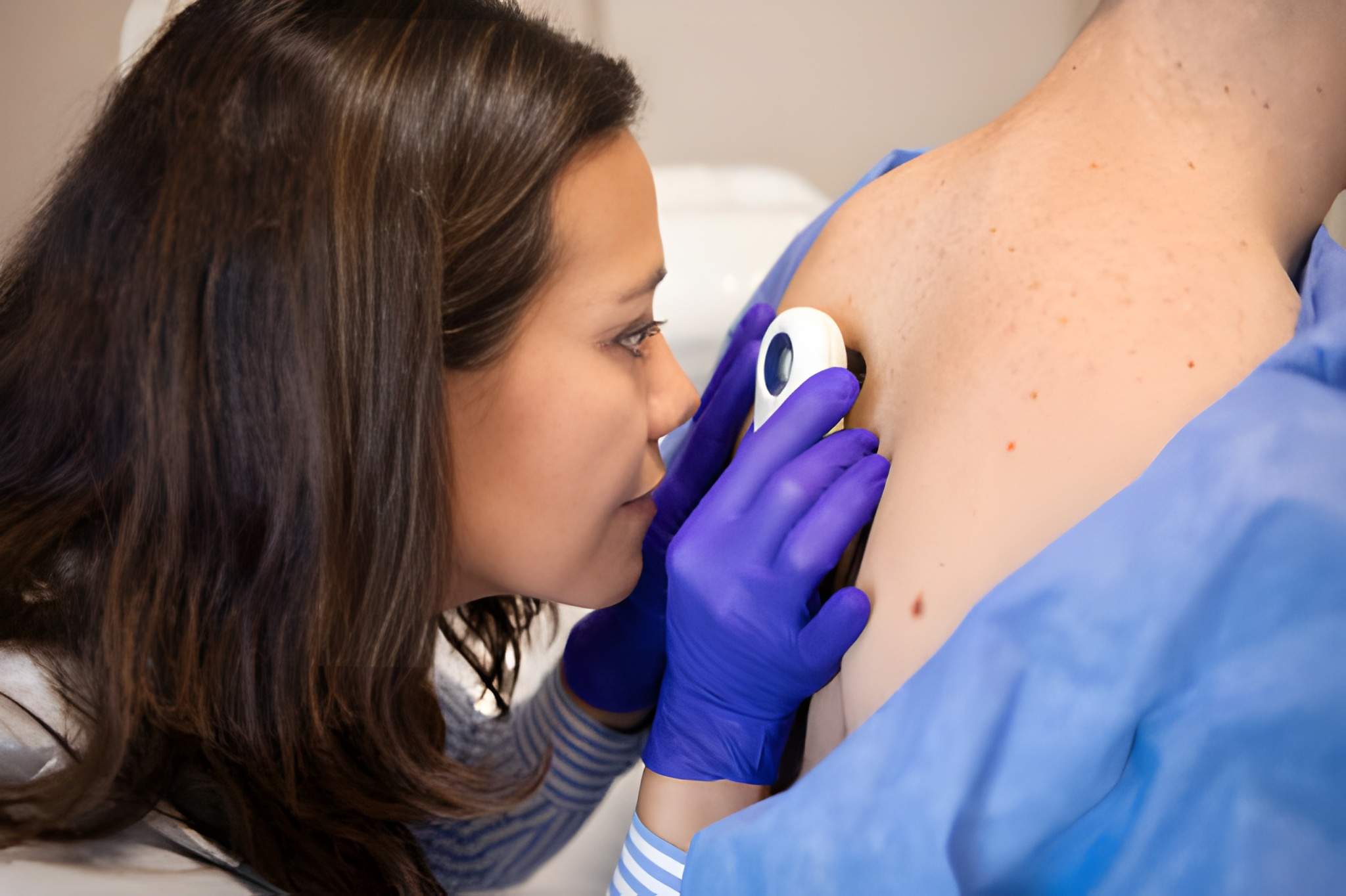
Skin checks reveal more than just skin cancer risks. They show signs of circulation problems, immune health, medication effects, and natural ageing. Many Wallsend residents notice small changes over time, especially after years spent outdoors around the neighbourhood. These changes often mean something worth checking.

GPs look at skin during regular appointments, even when you come in for something else. Early checks help prevent complications and support long-term health. Skin changes can signal broader health concerns before other symptoms appear.

Skin checks work best when they are part of regular GP care. If you prefer to discuss skin concerns with a familiar Wallsend GP, a routine check-up can help monitor changes early and keep your overall health on track.

Why Skin Health Reflects Overall Health

Skin acts as a visible indicator of what happens inside the body. Changes in colour, texture, or healing speed can signal circulation issues, immune responses, or hormonal shifts. GPs look at skin during routine visits because it often reveals early signs of broader health concerns. What shows on the surface can point to changes happening deeper inside.

What a GP Looks for During a Routine Skin Check

Changes in Colour, Texture, or Shape

GPs check for new marks, spots that change size or shape, and patches that feel different over time. Gradual changes matter because they often develop without pain or apparent symptoms. Monitoring these changes helps catch concerns early. Most people don’t notice small shifts until a GP points them out.

Signs Linked to Circulation or Immune Health

Poor wound healing, persistent rashes, or ongoing irritation can point to circulation or immune issues. These signs sometimes appear before other symptoms develop. A GP can assess whether these changes need further investigation or simple monitoring. Small skin changes can reveal larger patterns.

Skin Changes Caused by Medications or Conditions

Some medications cause dryness, sensitivity, or unusual pigmentation. Hormonal shifts and metabolic conditions like diabetes also affect the skin. GPs connect these changes to your medical history and adjust care when needed. Understanding the cause helps manage the effect.

Why Early Skin Changes Are Easier to Manage

Many skin issues start without pain or discomfort. People often notice something only after it has been there for weeks or months. Early checks prevent minor concerns from becoming complicated. Catching changes early means more options and simpler solutions.

In many cases, monitoring is enough. Not every change requires urgent treatment. Regular check-ups let your GP track changes over time and decide when further review is necessary. Ongoing observation often works better than immediate action.

How Skin Checks Fit Into Preventive GP Care

Skin checks work alongside other preventive measures like blood pressure monitoring, diabetes screening, and heart health reviews. They form part of a complete picture of your overall wellbeing. Prevention works better than waiting for problems to develop. Regular skin checks make sense as part of routine care.

Regular GP visits make it easier to spot patterns. When your GP sees you routinely, they notice changes you might miss. This ongoing relationship supports early detection and better health outcomes. Familiarity helps your GP track what matters.

Skin checks are often part of broader preventive care. During regular GP visits, skin health can be reviewed alongside other routine checks. You can learn more about the services available through your local GP at Wallsend Healthcare.

Skin Checks and Healthy Ageing

How Ageing Affects the Skin

As people age, skin becomes thinner and heals more slowly. Years of sun exposure accumulate and show up as changes in texture, pigmentation, or resilience. These changes are regular but still worth monitoring. What was once quick to heal now takes longer.

Why Regular Checks Matter More After 40–50

Risk increases with age, particularly for those who have spent years outdoors. Consistency matters more as skin becomes less forgiving. Regular checks help maintain skin health as part of healthy ageing. What worked in your thirties needs adjusting later.

Why Seeing the Same GP Improves Skin Monitoring

Continuity of care makes a difference. When you see the same GP regularly, they track changes over time without needing repeated explanations. They understand your history and notice shifts that might otherwise go unnoticed. A familiar GP knows what to look for.

Familiarity builds trust and saves time. You don’t have to start from scratch at every appointment. Your GP already knows what to watch for and can adjust care based on what they have seen before. This makes monitoring more accurate and less stressful.

Local Lifestyle Factors That Affect Skin Health in Wallsend

Many Wallsend residents spend time outdoors, walking along Nelson Street, gardening, or running errands around town. Years of sun exposure from daily routines affect the skin more than occasional beach trips. Local GPs understand these patterns because they see them regularly. Small exposures add up over time.

Outdoor work, time spent at Wallsend Park, or regular walks to nearby shops all contribute. Even routine activities like hanging washing or walking to the post office expose skin to UV damage. These familiar habits make regular skin checks more relevant for locals. What feels normal can still affect your skin.

When to Book a Skin Check With Your GP

Certain situations make it worth scheduling a skin check with your GP. These include both noticeable changes and situations where peace of mind matters.

  • New marks or spots that weren’t there before
  • Existing marks that change in size, shape, or colour
  • Ongoing irritation, itching, or bleeding that doesn’t heal
  • Slow-healing wounds or sores
  • Family history of skin concerns
  • Peace of mind if something doesn’t feel right

How a Local Wallsend GP Supports Ongoing Skin Health

Seeing a local GP in Wallsend offers easy access and familiarity. You don’t need to travel far or explain your situation to strangers. Local GPs understand the lifestyle factors that affect skin health in this area. Convenience makes regular care easier to maintain.

Routine and after-hours support means you can arrange appointments when it suits you. Ongoing care builds continuity, which improves monitoring and early detection. A familiar GP makes skin checks feel less clinical and more like part of regular care.

Conclusion: Skin Checks Are About More Than Skin

Skin checks support overall health, not just skin cancer screening. They help detect circulation issues, immune changes, and medication effects early. Regular checks provide peace of mind and keep your health on track. Looking after your skin means looking after yourself.

If you notice changes or want to discuss skin concerns, your local Wallsend GP can help. Preventive care works best when it’s routine, familiar, and part of ongoing health management. Small steps now prevent bigger problems later.

Skin checks are about more than just skin. They help support overall health, early detection, and peace of mind. If you would like to discuss skin concerns with a trusted Wallsend GP, Wallsend Healthcare is here to support you with routine and ongoing care.

Wallsend Healthcare
25–27 Kokera Street, Wallsend NSW 2287

Phone: +61 2 4951 2100

You can contact the clinic or arrange an appointment when it suits you.

How Regular GP Visits Support Healthy Ageing

Ageing brings gradual changes to health that happen over months and years. Most of these changes can be managed when noticed early. Regular GP visits help track those shifts and keep health steady over time.

Staying active and independent matters to most people as they age. A trusted local GP provides the kind of support that makes healthy ageing easier to maintain.

Regular GP care matters, even outside standard hours. If you need support beyond the usual clinic times, having access to a trusted Wallsend GP can make a real difference. At Wallsend Healthcare, patients can access care after hours when health concerns cannot wait until the next day.

Why Healthy Ageing Needs Ongoing GP Support

Health changes happen slowly, not suddenly. Most changes can be managed when tracked over time. Common gradual changes include:

  • Blood pressure is creeping up over time
  • Energy levels are dropping without an apparent cause
  • Joint stiffness is becoming more noticeable

Regular GP visits help notice small shifts before they become problems. Early action often means simple solutions. This approach keeps people active and independent in Wallsend without unnecessary worry.

Early Health Changes Are Easier to Manage When Caught Early

Many age-related issues start quietly without apparent symptoms. Common early changes include:

  • High blood sugar may not feel different at first
  • Early signs of heart problems that can be easy to miss
  • Vision or hearing changes that happen gradually

Regular check-ups help spot these changes early. GPs use simple tests to track what is happening inside the body. Early action often prevents hospital visits or urgent care.

 Staying on top of health fits naturally into daily routines around Wallsend. If symptoms appear suddenly or feel severe, urgent medical care should be sought.

How Regular GP Visits Help Maintain Independence

Independence matters most to people as they age. Being able to move around safely makes daily life easier. During regular visits, GPs monitor:

  • Mobility and physical strength
  • Balance and coordination
  • Medication side effects like dizziness or confusion

These checks help people stay at home and active longer. Many residents in Wallsend value being able to manage daily errands and familiar routines. Walking to local shops or visiting friends remains possible with the proper support. Regular care supports that independence.

Managing Long-Term Conditions as You Get Older

Conditions like high blood pressure or diabetes need steady monitoring. Regular reviews help prevent sudden flare-ups or complications. GPs adjust treatment when needed to keep things stable.

Care plans adjust as needs change over time. What worked five years ago may need updating. This keeps treatment simple and working well.

Accessing care locally removes the stress of extended travel. Ongoing care works best when it stays consistent. If you are managing long-term health needs, regular reviews with a local GP can help keep things steady. You can learn more about the services available through your Wallsend GP at Wallsend Healthcare.

Medication Reviews Play a Bigger Role With Age

Many older adults take more than one medication. Some medicines can interact or cause unwanted side effects. A medication that helped years ago might not suit current needs.

Regular reviews help simplify medication routines. GPs check for risks like dizziness or falls. They look at whether doses need adjusting. This reduces confusion and makes daily routines easier.

Local reviews mean less travel and more convenience than hospital visits. Staying on top of medications becomes part of regular care instead of a separate task.

Mental and Emotional Well-being Matter Just as Much

Loneliness, stress, or low mood are common as people age. These issues affect health just as much as physical concerns. Warning signs can include:

  • Sleep problems or difficulty resting
  • Loss of interest in activities
  • Feeling isolated or withdrawn

Talking with a familiar GP makes these conversations easier. There is no judgment or rush. Early support improves quality of life and confidence. Local connection and support networks help people feel less isolated. GPs can suggest local groups or services that match interests and needs.

Why Seeing the Same GP Makes Ageing Care More Effective

Continuity of care builds trust and understanding. One GP knows your complete health history. They remember past treatments and what worked before.

Patterns become easier to spot over time. A GP who sees you regularly notices changes faster. You avoid repeating your story at every visit.

Many people in Wallsend value long-term relationships with familiar faces. Seeing the same doctor makes visits feel comfortable. This makes care feel more personal and reliable.

Local GP Care Makes Regular Visits Easier

Short travel times encourage people to keep up with regular check-ups. Familiar surroundings reduce stress and make visits feel routine. You know where to park and how to get there.

Easy access along Nelson Street or near Wallsend Plaza supports consistency. Local care removes unnecessary barriers. Seeing a Wallsend GP close to home removes long travel and unnecessary delays, making it more straightforward to stay on top of your health as you age.

When Regular GP Visits Become Especially Important

Regular GP visits become especially important:

  • After age 50
  • When managing long-term health conditions
  • After changes to medications
  • Following a hospital stay or treatment
  • When you notice changes in energy, balance, or movement

How a Wallsend GP Supports Healthy Ageing Locally

Local GPs understand the routines and lifestyles of Wallsend residents. They know what matters to people living in the area. They provide care that fits naturally into daily life.

Supporting ageing residents close to home makes ongoing care easier. You can reach your GP without long trips. Calm, consistent care builds confidence over time.

Wallsend Healthcare offers both routine and after-hours support when needed. This means you can access care when it matters most.

Conclusion

Regular GP visits support independence and confidence as you age. Small changes become easier to manage when caught early. Prevention is easier than treatment.

Local care builds trust and keeps health manageable over time. Having a GP who knows you well makes ageing feel less uncertain. Ongoing GP support helps you stay well without unnecessary worry.

Healthy ageing is easier with consistent, local care. If you are looking for a reliable Wallsend GP, Wallsend Healthcare is here to support you with ongoing and after-hours care when needed.

Wallsend Healthcare
25–27 Kokera Street, Wallsend NSW 2287

Phone: +61 2 4951 2100

You can contact the clinic or arrange an appointment when it suits you.

The Benefits of Regular Check-Ups with Your General Practitioner

Seeing your GP regularly is one of the best ways to look after your health. These visits give your doctor a chance to check how you’re going and catch any concerns early.

Regular check-ups help prevent health problems before they start. Your GP can spot warning signs, monitor changes, and keep you feeling your best. For most people, staying on top of these visits means fewer surprises down the track. These appointments also help your doctor track your health over time.

If you want regular check-ups with a trusted Wallsend GP, you can book a simple appointment at Wallsend Healthcare.

Early Detection of Health Issues

Spotting Problems Before They Grow

Early detection means finding health issues before they cause symptoms. Your GP looks for changes in test results, vital signs, and overall health that you might not notice yourself. 

When problems get picked up early, treatment is usually simpler and more effective. This approach helps you avoid complications and keeps small issues from becoming bigger ones.

Common Conditions Picked Up in Routine Check-Ups

Regular visits help identify:

  • High blood pressure
  • Cholesterol issues
  • Diabetes risk
  • Asthma changes
  • Skin concerns
  • Mental health signs

Why Early Detection Saves Time and Stress

Finding health issues early means less time in the hospital and smoother treatment plans. You get reassurance knowing your health is being watched carefully.

In simple terms, early action prevents bigger problems later. This usually means fewer appointments, less worry, and better outcomes for your health.

Monitoring Long-Term Health

Keeping Track of Chronic Conditions

Regular GP visits help keep chronic conditions stable. If you live with diabetes, heart disease, or asthma, ongoing check-ups make sure your treatment is working properly.

Your doctor watches how your condition responds over time. This careful monitoring helps prevent flare-ups and keeps you feeling well between visits.

Adjusting Your Care Plan When Needed

Your GP watches patterns in your health over months and years. Small adjustments to your medication or lifestyle can make a real difference to how you feel.

Regular monitoring catches changes early. This means your treatment stays current and effective for your needs.

Building a Health Record That Helps Future Care

Long-term records give your doctor a complete picture of your health history. This information improves accuracy when making decisions about your care and helps other doctors if you need specialist support.

If you want regular check-ups with a trusted Wallsend GP, you can book a simple appointment at Wallsend Healthcare. Our local team is always ready to support your health with clear, friendly care.

Supporting Your Overall Wellbeing

Mental and Emotional Health Support

Many people talk to their GP first when they feel stressed, anxious, or unusually tired. Your doctor can help with practical support and guidance during difficult times.

Regular visits make these conversations easier. You already have a relationship with your GP, which helps when discussing sensitive topics.

Lifestyle Guidance for Daily Living

Your GP offers practical advice for everyday health:

  • Healthy eating that fits your routine
  • Exercise plans you can actually follow
  • Better sleep habits
  • Simple ways to reduce stress
  • Managing work-life balance

Preventive Health Checks That Matter

Age-appropriate screening helps catch issues before symptoms appear. This includes blood tests, pap smears, skin checks, and heart health assessments based on your age and history.

Benefits for Families of All Ages

Keeping Children on Track

Routine check-ups help monitor your children’s growth and development. These visits cover vaccinations, health checks, and quick reviews for school or sports requirements.

Supporting Adults with Busy Lives

Adults often put off check-ups because life gets busy. Flexible appointment times and quick reviews make it easier to stay on top of your health.

Your GP can also give practical advice for work-related stress or fatigue that affects your daily life.

Helping Seniors Stay Healthy Longer

Regular visits for older Australians include medication reviews, mobility checks, and health screenings. These appointments help prevent hospital visits and support independent living.

If you need guidance for yourself or your family, you can speak with a local Wallsend GP at Wallsend Healthcare. We make it easy to get ongoing check-ups, follow-ups, and practical health advice.

Why Seeing the Same GP Makes a Difference

Trust and Familiarity

Building a relationship with one GP means better communication and more comfort during visits. You don’t need to repeat your medical history every time you walk through the door.

Personalised Advice Based on Your Life

A GP who knows your routine gives advice that actually fits your lifestyle. They understand what works for you and what doesn’t.

Stronger Long-Term Care

Continuity of care means better health tracking, clearer follow-ups, and less confusion between appointments. Your GP becomes a partner in your health journey.

When You Should Book a Check-Up

Consider booking if:

  • You haven’t seen your GP in over a year
  • You feel tired more often than usual
  • You have ongoing symptoms that concern you
  • You have a family history of certain conditions
  • You want peace of mind about your health

How a Wallsend GP Can Support Your Health

A local GP makes regular check-ups easier and more convenient. You can get appointments close to home without long waits or complicated travel.

Local doctors understand the health needs of the Wallsend community. They know the area, the lifestyle, and the common health concerns that affect families here.

You can book a regular check-up with a trusted Wallsend GP at Wallsend Healthcare whenever you need support.

Conclusion

Regular check-ups are your best tool for staying healthy over the long term. These simple visits catch problems early, support your wellbeing, and give you confidence in your health.

Taking time for these appointments now means better health for years to come. Your future self will thank you for making prevention a priority.

Your health deserves consistency. If you are looking for a reliable Wallsend GP, our team at Wallsend Healthcare is here to help. You can call us or book an appointment when it suits you.

Why Choose a Local Wallsend GP for Your Healthcare Needs?

Finding the right GP can feel overwhelming. You want someone who knows you, understands your health history, and is there when you need them most.

A local GP offers more than just medical advice. They become a trusted partner in your health journey. At Wallsend Healthcare, we’re proud to serve our community with care that feels personal, accessible, and genuinely supportive.

Let’s look at why choosing a local Wallsend GP makes all the difference.

Why Choosing a Local GP Matters

Personalised Care That Knows You

Large medical centres often feel rushed. You might see a different doctor each visit. That makes it hard to build trust or get care that truly fits your needs.

A local GP takes time to know you. They remember your health concerns, your family background, and what matters most to you. This personal connection helps them spot problems early and offer advice that actually works for your life.

Better Continuity of Care

Continuity means seeing the same doctor over time. This matters more than most people realise. Your GP tracks your health patterns, notices changes, and adjusts your care plan as needed.

For people managing conditions like diabetes or high blood pressure, this ongoing relationship is vital. Your local GP at Wallsend Healthcare keeps detailed records and follows your progress closely. You’re not starting from scratch every appointment.

Convenience and Accessibility

Healthcare shouldn’t mean long drives or waiting weeks for an appointment. When your GP is close by, getting care becomes simple. You can pop in for quick check-ups, bring your kids after school, or visit your elderly parents without hassle.

Local access matters most during busy weeks or health emergencies. Wallsend Healthcare is right here in your neighbourhood, making it easy to stay on top of your health without disrupting your day.

Local Expertise and Understanding of Your Community

Familiarity with Local Health Trends

At Wallsend Healthcare, we understand the health patterns specific to our community. From seasonal allergies to common workplace injuries, our doctors know what affects residents. This local knowledge helps us give better, proactive advice and connect you with trusted specialists and services when needed.

Personal Connections That Matter

As part of the Wallsend community, we care about more than just your symptoms. We understand how factors like shift work, caring for elderly parents, or raising young children impact your health. Our GPs recognise you at the shops, and we see your kids grow up. You’re not just a patient to us, you’re our neighbour.

Relevant Advice for Local Needs

Every community has unique health challenges. In Wallsend, we focus on practical solutions that fit local lifestyles. Whether it’s managing work stress, staying active in winter, or dealing with dust allergies.

We provide advice that makes sense for your daily life. We also know the best local specialists, so we can quickly refer you to trusted physiotherapists, dietitians, or mental health counsellors.

Services Available at Wallsend Healthcare

Comprehensive Care for Everyone

At Wallsend Healthcare, we provide a complete range of healthcare services, crafted to meet the needs of every patient, at every stage of life.

Our services include:

  • General consultations
  • Health assessments
  • Vaccinations
  • Chronic disease management
  • Mental health support
  • Women’s health services
  • Minor procedures
  • Aged care health plans

You don’t need to visit multiple clinics for different services. We’re your one-stop healthcare provider, offering everything under one roof.

Family-Centred Care Under One Roof

We understand that family healthcare is better when everyone is on the same page. That’s why families love having one GP for everyone.

  • Parents can book appointments for themselves and their children together.
  • Grandparents can see the same doctor for their regular check-ups.
  • Our team understands your household’s health history so that we can provide tailored, preventive care.

This family-focused approach allows us to spot genetic health patterns, offer preventive advice, and simplify healthcare for busy families.

Specialised Services When You Need Them

Beyond general practice, we offer services like travel health advice, skin checks, mental health care plans, and chronic pain management. Need a workplace medical certificate or pre-employment check? We handle that too.

Our goal is to cover your healthcare needs without sending you elsewhere unless necessary.

Benefits of Local Healthcare for Families

Convenience for Busy Parents

At Wallsend Healthcare, we make appointments simple. Whether it’s school vaccinations, sports medicals, or when your child is unwell, we offer flexible times that fit your family’s schedule, reducing travel time and making healthcare easier.

A Trusted Partner in Family Health

We build lasting relationships with your children, so they feel comfortable and trust their doctor. Parents benefit too, with continuity of care, no need to repeat your child’s health history; we remember their vaccine schedule, growth, and concerns.

Easy Communication and Quick Follow-Ups

A local GP is always easy to reach. Need a follow-up or have a quick question? We’re just a phone call away. With our team’s deep knowledge of your family’s needs, we’re ready to help whenever you need us.

How to Choose the Right Local GP

Key Considerations

When choosing a GP, consider accessibility. Can you get appointments when needed? Is the clinic close to home or work? Next, check the range of services offered, from chronic condition management to mental health support. Lastly, think about the care approach: do they listen, explain things clearly, and involve you in decisions?

Why Wallsend Healthcare Is the Right Choice

Wallsend Healthcare ticks all these boxes. We’re centrally located, offer comprehensive services, and focus on building genuine relationships with our patients. Our doctors take time to listen and explain things in plain language.

We’re part of this community. We care about Wallsend families because we’re neighbours, not just healthcare providers. Your health and well-being are genuinely important to us.

Your Health Deserves Local, Personal Care

Choosing a local GP means better care and easier access. At Wallsend Healthcare, we’re here for you and your family, whether it’s for regular check-ups, managing long-term conditions, or supporting your child’s health. We take the time to know you, remember your concerns, and provide care you can trust when you need it most.

Book your appointment with Wallsend Healthcare today. Call us or visit our clinic to experience healthcare that feels personal, caring, and always convenient. Your trusted local GP is waiting to look after you.

Guidance to Access Affordable Aged Care in Your Home

Getting older does not mean you have to give up your independence or move into residential aged care. If you’re 65 or over and finding daily tasks more challenging, the Commonwealth Home Support Programme (CHSP) is exactly what you need to stay comfortable in your own home.

Many Australians don’t realize that government-subsidized aged care extends far beyond nursing homes. The CHSP helps thousands of seniors across the country maintain their independence while getting practical support with everyday activities.

Note: Wallsend Healthcare is not a CHSP-approved home-care provider. We act as a referral and guidance service to help you navigate the CHSP application and connect with registered providers.

Call Wallsend GP today or Book Online to get started.

What Is the Commonwealth Home Support Programme?

The CHSP is the Australian Government’s way of helping older people stay at home longer. Instead of moving to an aged care facility, you get targeted support for the specific things you’re finding difficult.

Think of it as a helping hand rather than full-time care. You can’t manage the weekly grocery shop anymore, or cleaning the house has become too much. Perhaps you need transport to medical appointments because you’ve stopped driving.

The programme covers these practical needs so you can focus on enjoying life in your own space.

The best part? The Australian government subsidises most of these services, making them affordable for pensioners and low-income seniors who might otherwise struggle to afford private help.

Who Can Access These Aged Care Services?

You’re eligible for CHSP support if you’re:

  • 65 years or older (or 50+ if you’re Aboriginal or Torres Strait Islander)
  • Living in your own home – whether you own it, rent, or live with family
  • Needing help with basic daily activities but not requiring intensive clinical care
  • Assessed as suitable for community-based support rather than residential care

Your financial situation doesn’t matter for the basic daily fee, but don’t let cost concerns stop you from applying. The government funds most services, and fee assistance is available for those who need it.

Types of Care and Services Available

The CHSP isn’t one-size-fits-all. Services offered depend on what you actually need help with:

Home Maintenance and Domestic Help

  • Light cleaning and housework
  • Laundry assistance
  • Simple home repairs and yard work
  • Grocery shopping or help with shopping

Personal Care Support

  • Showering and dressing assistance
  • Medication reminders (not clinical care)
  • Basic foot care and grooming help

Social Activities and Community Connections

  • Transport to social activities
  • Community centre programs
  • Volunteer visitor programs to reduce isolation
  • Group activities and outings

Practical Day to Day Support

  • Transport to medical appointments
  • Help with banking and bill paying
  • Meal preparation or delivered meals
  • Technology support (like using smartphones or tablets)

The key difference from residential aged care is that you’re still living independently. These services just fill in the gaps where you need a hand.

How Much Does Government-Funded Aged Care Cost?

Here’s where many people get pleasantly surprised. Because the Australian Government subsidises these services, the basic daily fee is much lower than private aged care services.

Standard costs include:

  • Basic daily fee: $10.50 per hour (as of 2024)
  • Income-tested care fee: May apply depending on your financial situation
  • Some services: Completely free, like volunteer visitor programs

The Department of Health uses a fee estimator to work out what you’ll pay based on your income and assets. Many pensioners find they qualify for reduced fees or fee assistance.

Important: You’ll never pay the full cost of services. The government contribution covers the majority of expenses, making this affordable aged care option accessible to most seniors.

At Wallsend Healthcare, we guide seniors and their families through the CHSP application step by step. Whether it’s home help, transport, or respite care, our team is here to make the process easier. Call us or book your consultation online today.

CHSP vs. Other Aged Care Options

Understanding your options helps you make the right choice for your situation:

CHSP vs. Home Care Packages

  • CHSP: Basic support, lower cost, easier to access
  • Home Care Packages: More comprehensive care, higher government funding, longer waiting lists

CHSP vs. Residential Aged Care

  • CHSP: Stay at home, maintain independence, lower accommodation costs
  • Residential care: Ongoing support with a higher level of clinical care.

CHSP vs. Private Services

  • CHSP: Government subsidised, standardized quality, affordable
  • Private: More expensive, immediate availability, wider service options

Most people start with CHSP and move to other options only if their care needs increase significantly.

Step by Step: How to Apply for CHSP

Getting started is simpler than many people expect:

Step 1: Initial Contact

Call My Aged Care on 1800 200 422 or visit myagedcare.gov.au. This is the single entry point for all Australian government aged care services.

Step 2: Phone Assessment

A trained assessor will talk to you about your daily activities and what support you need. This usually takes 30-45 minutes and can be done over the phone.

Step 3: Service Matching

Based on your assessment, you’ll be connected with local service providers in your area who can deliver the specific help you need.

Step 4: Service Agreement

You’ll discuss costs, schedules, and exactly what support you’ll receive. Everything is documented in a service agreement before services begin.

Step 5: Regular Reviews

Your needs will be reviewed regularly to make sure services still meet your requirements.

The whole process typically takes 2-4 weeks from initial contact to services starting.

Managing Accommodation Costs While Aging at Home

One major advantage of CHSP over residential aged care is avoiding high accommodation costs. When you stay home, you’re not paying aged care facility fees that can reach hundreds of dollars per day.

Your existing housing costs (rent, mortgage payments, rates) continue as normal, but you avoid:

  • Daily accommodation payments to facilities
  • Additional service fees charged by residential providers
  • Bond payments (which can be substantial)

Government-supported aged care services may help reduce out-of-pocket costs.

What CHSP Doesn’t Cover

It’s important to understand the limits of these aged care services:

Not included:

  • Complex clinical care or nursing
  • Supervision or emergency response available when needed.
  • Major home modifications or equipment
  • Intensive personal care needs
  • Accommodation or housing costs

If you need these types of support, you might be better suited to Home Care Packages or residential aged care. However, CHSP can often be a stepping stone that delays the need for more intensive services.

Working with Healthcare Providers

Many GPs and healthcare professionals recommend CHSP to their patients as a way to maintain independence while ensuring adequate support.

If you’re already receiving medical care, your healthcare team can provide valuable input during the CHSP assessment process. They understand your health conditions and can help assessors determine which services would be most beneficial.

This collaboration ensures your aged care services complement your medical treatment rather than working in isolation.

Family Support and CHSP

If you’re an adult child concerned about your parents’ well-being, CHSP can provide peace of mind while respecting their independence.

Common family concerns CHSP addresses:

  • “Mum isn’t eating properly” – meal services and grocery assistance
  • “Dad’s house is getting cluttered” – domestic support services
  • “They’re becoming isolated” – social activities and transport
  • “I worry about them managing medications” – reminder services

CHSP allows families to provide emotional support while professionals handle practical needs. It’s often less stressful for everyone involved than family members trying to provide all care themselves.

Community Connections Through CHSP

One unexpected benefit many people discover is the social aspect of CHSP services. Transport to community activities, group programs, and regular contact with support workers can significantly reduce social isolation.

Research shows that social connections are crucial for mental health and cognitive function as we age. CHSP services naturally create these connections while addressing practical needs.

Planning: When to Consider CHSP

Don’t wait until you’re struggling with daily tasks. Consider applying if:

  • Simple activities are becoming more tiring
  • You’re avoiding certain tasks (like cleaning or shopping)
  • Family members are expressing concern about your independence
  • You want to prevent small problems from becoming bigger issues

Early intervention through CHSP can help you maintain independence longer and potentially delay the need for more intensive aged care services.

Technology and Modern Aged Care

Many CHSP providers now incorporate technology to enhance services:

  • Online booking systems for appointment scheduling
  • Digital check-ins for social support programs
  • Telehealth connections for remote health monitoring
  • Smartphone apps for service coordination

Don’t worry if you’re not tech-savvy – support workers can help you learn to use these tools if you’re interested.

Making the Right Choice for Your Future

Choosing aged care services is a personal decision that affects your independence, social connections, and financial situation. CHSP offers a middle ground between complete independence and residential care.

The programme works best for people who:

  • Want to stay in their own homes
  • Need help with specific tasks rather than comprehensive care
  • Value maintaining their existing routines and social connections
  • Prefer affordable, government-supported services

If this sounds like your situation, CHSP could be the perfect solution to help you age comfortably in place.

Ready to Take the Next Step?

The Commonwealth Home Support Programme has helped thousands of Australians maintain their independence while getting the support they need. Whether you’re exploring options for yourself or a loved one, don’t let uncertainty prevent you from accessing available help.

Remember that applying doesn’t commit you to anything – the assessment process will help determine if CHSP is right for your situation, and you can always decline services if they don’t meet your needs.

Ready to arrange affordable aged care support at home?

Wallsend Healthcare is here to help. Call us on [Phone Number] or click below to book your appointment online. Our team will guide you through eligibility and services so you or your loved one can live comfortably at home.

FAQ’s:

1. How quickly can I access CHSP services after applying?
Most people start receiving help within 2–4 weeks of contacting My Aged Care. Urgent cases may be prioritised, while regular requests follow the standard process. An assessment is usually completed within a week, and then services begin based on provider availability.

2. Can I choose which provider delivers my CHSP support?
Yes. You can select from local providers who offer the services you need. If you’re not satisfied with your current provider, you can request a change through My Aged Care, giving you control and flexibility.

3. What fees will I need to pay under CHSP?
Most people pay a basic daily fee (around $10.50 per hour). An additional income-tested fee may apply if your income or assets are above a certain limit. This ensures services remain affordable for everyone.

4. Can I get CHSP services if I’m still working part-time?
Yes. Your employment status doesn’t affect eligibility. The program is designed for older Australians (65+) who need support with daily tasks, whether they’re retired, working, or volunteering.

5. Will CHSP affect my pension or other benefits?
No, receiving CHSP services won’t reduce your pension. Only your financial details may be reviewed during fee assessments, but most pensioners don’t see any change in their payments.

6. What happens if my needs change after starting CHSP?
Your support plan is reviewed regularly (about every 12 months or earlier if needed). If your needs increase, you may qualify for more services or even a Home Care Package. If your needs decrease, your services can be adjusted.

7. Are CHSP services available across Australia, including rural areas?
Yes, CHSP operates nationwide. Seniors in rural and remote communities also have access, though options may be more limited. The government provides extra funding to ensure services reach even remote areas.

Best Nutrition Guidelines for Children Aged 1–12

Key Takeaways:

  1. Nutrition Builds Foundations for Life: Early eating patterns shape health outcomes. A balanced, varied diet supports your child’s physical growth, cognitive development, and immunity.
  2. Age-Specific Needs Matter: Nutritional requirements change as children grow. From toddlers to pre-teens, each stage demands tailored attention to foods, nutrients, and portion sizes.
  3. Parents Play a Critical Role: What you offer and how you model healthy eating habits influences your child’s choices for life.

At Wallsend Healthcare, we understand that good nutrition is one of the most important gifts you can give your child. Our team supports families with expert guidance on children’s health – starting with the food on their plate.

Children are constantly growing—physically, mentally, and emotionally. Their energy needs are high, but more than just calories, they need nutrient-rich foods to support development.

Poor nutrition during these early years can lead to long-term issues like stunted growth, obesity, weakened immunity, and learning difficulties. That’s why a healthy, balanced eating pattern is essential for your child’s success in school and in life.

Healthy Eating Pattern for Children

A healthy eating pattern includes:

  • Variety of fruits and vegetables
  • Whole grains like oats, brown rice, and wholemeal bread
  • Fat-free or low-fat dairy products, or fortified soy beverages
  • Lean protein sources, such as eggs, fish, chicken, legumes, and tofu
  • Healthy fats from nuts, seeds, and avocados

Avoid foods high in added sugar, saturated fat, and salt. These provide little nutrition and increase the risk of health problems.

Nutrition Guidelines by Age Group

1 to 3 Years (Toddlers)

At this stage, young children are exploring new tastes and textures.

  • Offer small, frequent meals and snacks
  • Focus on soft fruits, steamed veggies, and protein-rich finger foods
  • Introduce dairy products like yogurt and cheese
  • Avoid sugary drinks, opt for water and whole milk

Tip: Use child-sized portions and let your toddler self-feed to encourage independence.

4 to 8 Years (Preschool & Early Primary)

Children become more active, and appetites increase.

  • Provide a variety of foods to meet energy needs
  • Include whole grains, colourful fruits and vegetables
  • Offer nutrient-dense snacks like fruit slices, cheese, or hummus
  • Encourage breakfast every day to boost concentration at school

Watch for: Food marketing targeting children—teach them how to read food labels and make smart choices.

9 to 12 Years (Late Primary)

As puberty begins, nutrient demands rise significantly.

  • Ensure adequate iron (lean meats, spinach, lentils)
  • Prioritise calcium and vitamin D for bone growth (milk, cheese, leafy greens)
  • Keep added sugars and processed foods to a minimum
  • Involve children in meal planning and prep to build healthy habits

Important: Growth spurts may cause temporary appetite changes. Keep offering balanced meals and avoid pressure to eat more or less.

What to Limit or Avoid

  • Soft drinks and energy drinks – high in sugar and caffeine
  • Highly processed snacks – chips, lollies, and fast food
  • Excess salt – check packaged foods for sodium levels

Reading food labels can help identify hidden sugars, fats, and additives in “kid-friendly” items.

Balanced Meals and Snack Ideas

  • Breakfast: Scrambled eggs, wholegrain toast, fruit
  • Lunch: Chicken and salad wrap, veggie sticks, water
  • Snack: Yogurt with berries or homemade trail mix
  • Dinner: Grilled fish, brown rice, steamed veggies

What About Picky Eaters?

It’s normal for children to go through phases of food refusal. Offer new foods alongside familiar ones, and never force them to eat. Instead, create a positive mealtime environment.

Modeling healthy eating is the most effective way to teach kids. If they see you enjoying a variety of healthy foods, they’re more likely to do the same.

Supporting Your Child’s Health Beyond the Plate

Nutrition isn’t the only factor in your child’s growth and development. Regular check-ups ensure their health is on track.

At Wallsend Healthcare, we offer comprehensive child health checks aligned with NSW’s Blue Book schedule, ensuring your child’s nutrition, physical health, and developmental milestones are properly monitored.

Book a Child Health Consultation at Wallsend Healthcare

If you’re unsure whether your child is meeting their nutrition needs or just want a tailored plan for healthy eating, come see us at Wallsend Healthcare. Our caring team is ready to support your family with expert advice on everything from meal planning to food allergies.

Visit us or call 0249512100 to schedule your appointment.

Good nutrition starts early let’s build healthy habits together!

Summer Safety Tips for Kids – Sun, Water, and Bug Protection

Key Takeaways:

  1. Sun Safety Isn’t Optional: Kids’ skin is more sensitive to sun damage, and repeated exposure can lead to serious long-term health problems. Start early with sunscreen, hats, and shaded breaks.
  2. Water Safety Saves Lives: Whether it’s the beach or a backyard pool, children should always be supervised. Knowing how to swim and understanding water risks are essential.
  3. Don’t Forget the Bugs: Insects like mosquitoes and ticks aren’t just annoying—they can carry serious diseases. Teach your children to avoid bites and know what to do if they get one.

When summer hits Australia, it brings sunshine, beaches, and plenty of time outdoors for families. But while the season is fun, it also comes with health risks for children. At Wallsend Healthcare, located at 25/27 Kokera St, Wallsend NSW 2287, we see many preventable issues during these warmer months. That’s why we’ve put together expert tips to keep your child safe.

Why Summer Safety Matters for Kids

Children’s bodies and immune systems are still developing. Their skin burns faster. They’re more prone to dehydration. And they may not yet recognize danger. All of this means you need to be proactive about keeping them safe during the summer.

Sun Safety Tips Every Parent Should Know

The sun might feel great, but it can do real harm to your child’s skin if precautions aren’t taken.

  • Use SPF 30 or higher sunscreen and reapply every two hours, especially after swimming.
  • Dress them in sun-safe clothing – long sleeves, sunglasses, and broad-brimmed hats.
  • Seek shade between 10 AM and 4 PM, when UV rays are strongest.
  • Teach your children about the importance of protecting their skin so they develop lifelong habits.

Water Safety: Pools, Beaches & Beyond

Australia’s love for water comes with risks – especially for young children.

  • Always supervise children in or near water, no matter how shallow.
  • Enroll your child in swim lessons early to build water confidence.
  • Fence your home pool and ensure it meets safety regulations.
  • Talk to your child about staying in designated swimming zones and obeying signs or lifeguards.

Bug Protection: Mosquitoes, Ticks, and More

Bug bites are more than just itchy. In some areas, they can lead to illness.

  • Use insect repellent that’s safe for kids. Look for DEET-free formulas for sensitive skin.
  • Cover skin with lightweight long sleeves and pants when possible.
  • Avoid areas with standing water, where mosquitoes breed.
  • Check for ticks after bushwalks or camping.

Hydration and Heat Safety

Dehydration and heat exhaustion happen fast in kids.

  • Encourage frequent water breaks—even if they don’t feel thirsty.
  • Avoid sugary or caffeinated drinks.
  • Pack water-rich snacks like fruits.
  • Watch for signs of heat exhaustion like dizziness, nausea, or fatigue.

Safety Around Outdoor Play

  • Inspect playgrounds for hot surfaces and broken equipment.
  • Teach your child not to wander off during picnics or outings.
  • Set a check-in plan for older kids when outdoors with friends.

When to Seek Medical Help

If your child has a persistent fever, skin rash, difficulty breathing, or unusual bite reaction – seek medical care immediately.

At Wallsend Healthcare, we welcome all child health concerns, especially during the summer. Whether it’s a routine checkup or advice about sunburn, bites, or outdoor injuries, our GPs are here to help.

Child Health Checks at Wallsend Healthcare

We also offer scheduled child health checks that follow NSW’s Personal Health Record (Blue Book). These checks help you monitor your child’s growth, development, and general wellbeing:

  • 1 to 4-Week Check – Early life wellness screening.
  • 6 to 8-Week Check – Development review + first major immunisations.
  • 6-Month Check – Continued monitoring + immunisation support.
  • 12-Month Check – Key milestone check + vaccine update.
  • 18-Month Check – Developmental milestone review.
  • 2-Year Check – Communication and motor skill evaluation.
  • 3-Year Check – Growth and cognitive assessments.
  • 4-Year Check – Full pre-school readiness exam.

These checks are essential for long-term health and development. Our clinic is committed to providing expert care in a calm and child-friendly environment.

Book Your Child’s Summer Check-Up Today

Your child’s health is priceless. At Wallsend Healthcare, we’re ready to support your family all summer long. For any concerns – sun safety, bug bites, heat exhaustion, or general development – book a consultation with our friendly doctors today.

Stay safe and have a joyful summer!

Common Childhood Illnesses and How to Stop Them

Young children tend to get sick a lot because their immune systems are still developing and they come into contact with many other kids. Some are mild, others can complicate the disease if untreated. Parents, teachers and caregivers need to recognize these conditions and help to prevent them.

Common Childhood Illnesses

Common cold and flu spread through coughing, sneezing and touching contaminated surfaces. Common symptoms are fever, sore throat, cough and fatigue. As schools and daycare centers remain open, kids are inevitably going to catch these infections.

Prevention Tips:

  • Teach children to wash their hands with soap.
  • So keep them away from sick people.
  • Do give them a balanced diet to increase immunity.
  • Promote vaccination against flu for additional safety.

Ear Infections

Children suffer frequent ear infections because they have small ear canals. They lead to ear pain, fever and difficulty sleeping.

Prevention Tips:

  • Keep the ears dry after swimming or bathing.
  • Do not expose children to cigarette smoke, which raises the risk.
  • Make sure children are up to date on routine vaccinations.

Gastroenteritis (Stomach Flu)

Gastroenteritis leads to diarrhea, vomiting, and dehydration. It can be transmitted through contaminated food and water.

Prevention Tips:

  • Wash hands after going to the bathroom and before eating.
  • Do not provide children food obtained from unsafe sources.
  • If they have symptoms, make sure children drink plenty of fluids.

Hand, Foot, and Mouth Disease

The viral infection causes fever, sores in the mouth and rashes on the hands and feet. It is transmitted in daycare centers and schools through direct contact.

Prevention Tips:

  • Regularly wipe down toys and surfaces.
  • Instruct children never to share drinks and cutlery.
  • Do not send infected children to school until they are well.

Chickenpox

Chickenpox results in blistering, itchy spots, fever, and fatigue. It is transmitted through the air and direct contact.

Prevention Tips:

  • Long-term protection only comes with vaccination.
  • Keep your distance from people with the virus.
  • Trim nails to avoid scratching and infections.

Asthma

Asthma is a disease in which airways become inflamed, making it hard to breathe. Examples: Dust, pollen, cold air.

Prevention Tips:

  • Recognize and stay away from triggers.
  • Take inhalers prescribed, as needed.
  • Home cleaning should be dust-free.

Measles, Mumps, and Rubella (MMR)

These viral infections can lead to fever, rashes, swollen glands and serious complications in some people.

Prevention Tips:

  • The MMR vaccine is used against these diseases.
  • Parents should have their children up to date on all routine vaccinations.
  • Do not touch sick people

How to Stop These Illnesses

Hygiene and Cleanliness

  • Teach them to wash their hands after using the bathroom and wash before meals.
  • Disinfect surfaces that are often touched, like toys, doorknobs and tables.
  • Promote good cough hygiene (cough into the inside of your elbow)!

Strengthening the Immune System

  • Offer children healthy portion sizes, inclusive of fibers, aquatics, amino acids, etc.
  • Make sure to allow enough sleep for proper growth and immunity.
  • Promote outside play and physical activity to enhance overall wellbeing.

Safe School and Daycare Practices

  • Schools should have appropriate ventilation and cleanliness.
  • Otherwise, sick children should remain at home until they are better.
  • Teachers and caregivers ought to keep an eye on symptoms and step in early.

Seeking Medical Help When Needed

  • A fever over 100.4°F (38°C) that doesn’t go away needs treatment.
  • Signs of an emergency are difficulty breathing, severe dehydration or loss of consciousness.
  • Parents should see a doctor if a child’s symptoms do not improve in a few days.

If you’d like professional advice or follow‑up for your child’s symptoms, get in touch with our experienced Wallsend GP team at our main site.

The Role of Telehealth in Childhood Illnesses

Telehealth services enable parents to communicate with doctors without going to a clinic. This minimizes exposure to other sick people and offers quick medical advice.

Benefits of Telehealth:

  • Immediate access to doctors for minor illnesses.
  • Prescriptions and treatment plans without waiting at clinics.
  • Guidance on when a child needs in-person care.

 Conclusion

Hygiene, nutrition, vaccines and prompt treatment when necessary are key to preventing childhood illnesses. Parents, caregivers and educators all help keep children healthy. Many infections can be prevented and children can be grown with robust immune systems by the following preventive measures.