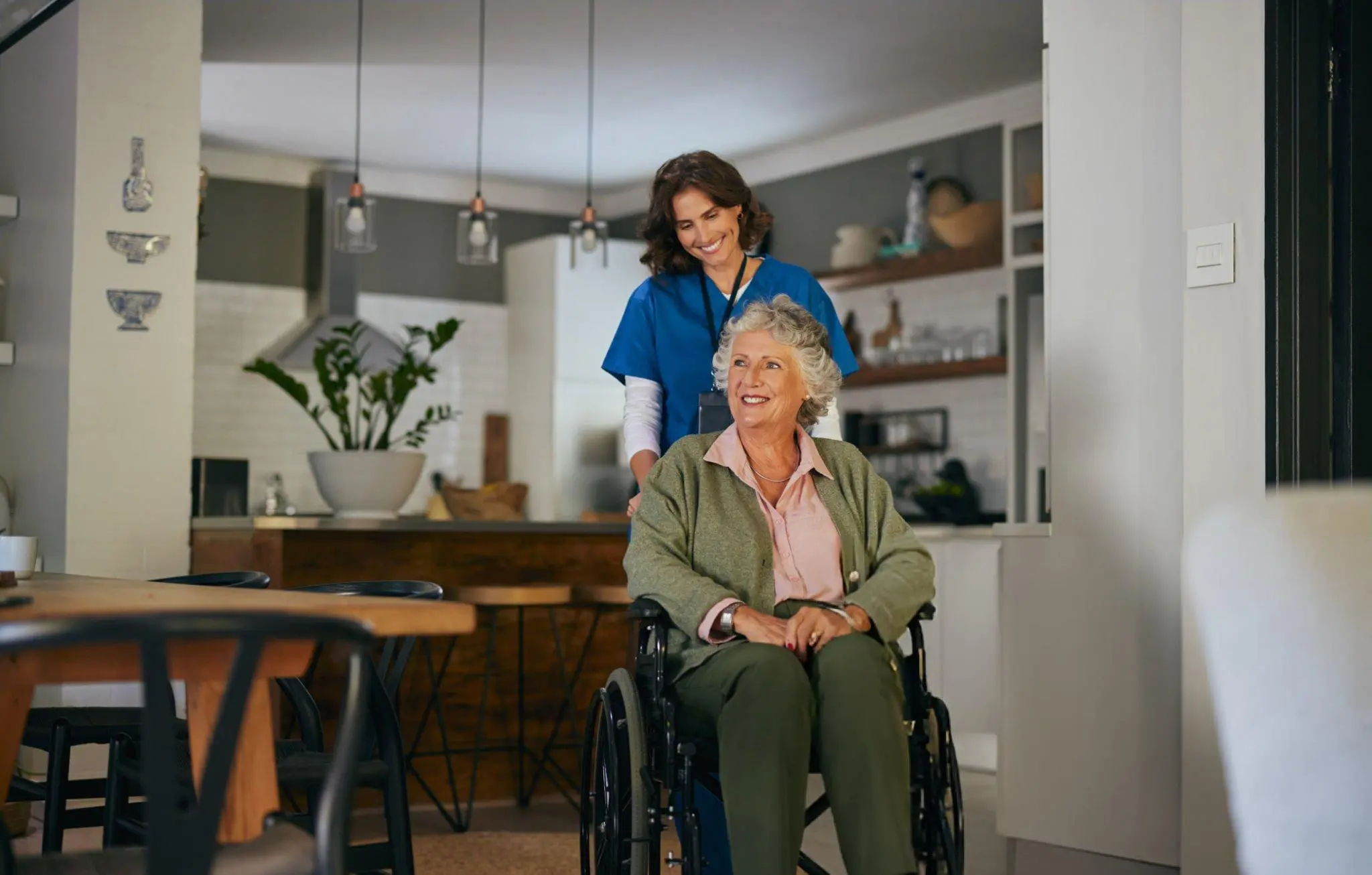
Finding the right GP can feel overwhelming. You want someone who knows you, understands your health history, and is there when you need them most.
A local GP offers more than just medical advice. They become a trusted partner in your health journey. At Wallsend Healthcare, we’re proud to serve our community with care that feels personal, accessible, and genuinely supportive.
Let’s look at why choosing a local Wallsend GP makes all the difference.
Why Choosing a Local GP Matters
Personalised Care That Knows You
Large medical centres often feel rushed. You might see a different doctor each visit. That makes it hard to build trust or get care that truly fits your needs.
A local GP takes time to know you. They remember your health concerns, your family background, and what matters most to you. This personal connection helps them spot problems early and offer advice that actually works for your life.
Better Continuity of Care
Continuity means seeing the same doctor over time. This matters more than most people realise. Your GP tracks your health patterns, notices changes, and adjusts your care plan as needed.
For people managing conditions like diabetes or high blood pressure, this ongoing relationship is vital. Your local GP at Wallsend Healthcare keeps detailed records and follows your progress closely. You’re not starting from scratch every appointment.
Convenience and Accessibility
Healthcare shouldn’t mean long drives or waiting weeks for an appointment. When your GP is close by, getting care becomes simple. You can pop in for quick check-ups, bring your kids after school, or visit your elderly parents without hassle.
Local access matters most during busy weeks or health emergencies. Wallsend Healthcare is right here in your neighbourhood, making it easy to stay on top of your health without disrupting your day.
Local Expertise and Understanding of Your Community
Familiarity with Local Health Trends
At Wallsend Healthcare, we understand the health patterns specific to our community. From seasonal allergies to common workplace injuries, our doctors know what affects residents. This local knowledge helps us give better, proactive advice and connect you with trusted specialists and services when needed.
Personal Connections That Matter
As part of the Wallsend community, we care about more than just your symptoms. We understand how factors like shift work, caring for elderly parents, or raising young children impact your health. Our GPs recognise you at the shops, and we see your kids grow up. You’re not just a patient to us, you’re our neighbour.
Relevant Advice for Local Needs
Every community has unique health challenges. In Wallsend, we focus on practical solutions that fit local lifestyles. Whether it’s managing work stress, staying active in winter, or dealing with dust allergies.
We provide advice that makes sense for your daily life. We also know the best local specialists, so we can quickly refer you to trusted physiotherapists, dietitians, or mental health counsellors.
Services Available at Wallsend Healthcare
Comprehensive Care for Everyone
At Wallsend Healthcare, we provide a complete range of healthcare services, crafted to meet the needs of every patient, at every stage of life.
Our services include:
- General consultations
- Health assessments
- Vaccinations
- Chronic disease management
- Mental health support
- Women’s health services
- Minor procedures
- Aged care health plans
You don’t need to visit multiple clinics for different services. We’re your one-stop healthcare provider, offering everything under one roof.
Family-Centred Care Under One Roof
We understand that family healthcare is better when everyone is on the same page. That’s why families love having one GP for everyone.
- Parents can book appointments for themselves and their children together.
- Grandparents can see the same doctor for their regular check-ups.
- Our team understands your household’s health history so that we can provide tailored, preventive care.
This family-focused approach allows us to spot genetic health patterns, offer preventive advice, and simplify healthcare for busy families.
Specialised Services When You Need Them
Beyond general practice, we offer services like travel health advice, skin checks, mental health care plans, and chronic pain management. Need a workplace medical certificate or pre-employment check? We handle that too.
Our goal is to cover your healthcare needs without sending you elsewhere unless necessary.
Benefits of Local Healthcare for Families
Convenience for Busy Parents
At Wallsend Healthcare, we make appointments simple. Whether it’s school vaccinations, sports medicals, or when your child is unwell, we offer flexible times that fit your family’s schedule, reducing travel time and making healthcare easier.
A Trusted Partner in Family Health
We build lasting relationships with your children, so they feel comfortable and trust their doctor. Parents benefit too, with continuity of care, no need to repeat your child’s health history; we remember their vaccine schedule, growth, and concerns.
Easy Communication and Quick Follow-Ups
A local GP is always easy to reach. Need a follow-up or have a quick question? We’re just a phone call away. With our team’s deep knowledge of your family’s needs, we’re ready to help whenever you need us.
How to Choose the Right Local GP
Key Considerations
When choosing a GP, consider accessibility. Can you get appointments when needed? Is the clinic close to home or work? Next, check the range of services offered, from chronic condition management to mental health support. Lastly, think about the care approach: do they listen, explain things clearly, and involve you in decisions?
Why Wallsend Healthcare Is the Right Choice
Wallsend Healthcare ticks all these boxes. We’re centrally located, offer comprehensive services, and focus on building genuine relationships with our patients. Our doctors take time to listen and explain things in plain language.
We’re part of this community. We care about Wallsend families because we’re neighbours, not just healthcare providers. Your health and well-being are genuinely important to us.
Your Health Deserves Local, Personal Care
Choosing a local GP means better care and easier access. At Wallsend Healthcare, we’re here for you and your family, whether it’s for regular check-ups, managing long-term conditions, or supporting your child’s health. We take the time to know you, remember your concerns, and provide care you can trust when you need it most.
Book your appointment with Wallsend Healthcare today. Call us or visit our clinic to experience healthcare that feels personal, caring, and always convenient. Your trusted local GP is waiting to look after you.