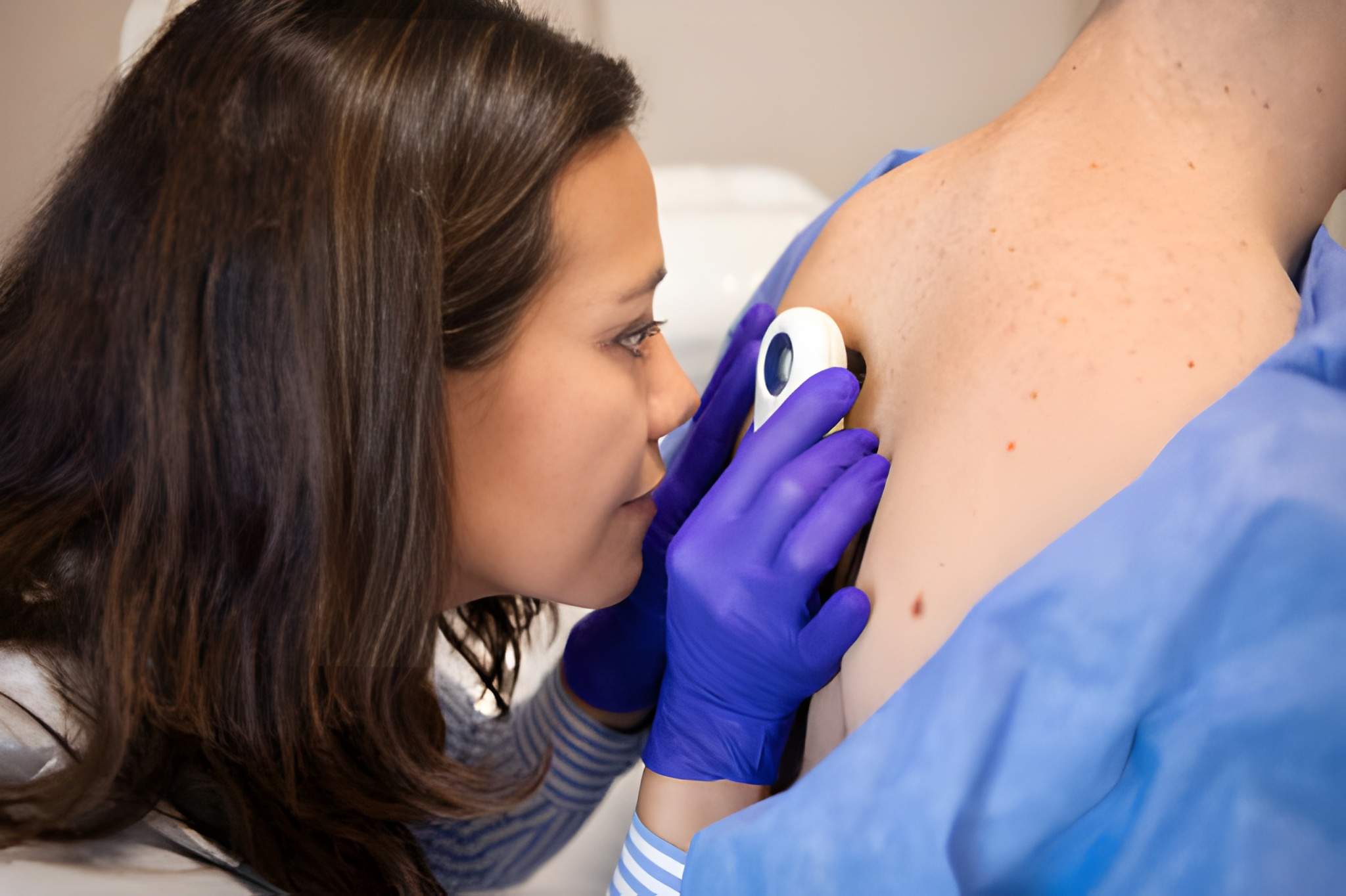
Skin checks reveal more than just skin cancer risks. They show signs of circulation problems, immune health, medication effects, and natural ageing. Many Wallsend residents notice small changes over time, especially after years spent outdoors around the neighbourhood. These changes often mean something worth checking.
GPs look at skin during regular appointments, even when you come in for something else. Early checks help prevent complications and support long-term health. Skin changes can signal broader health concerns before other symptoms appear.
Skin checks work best when they are part of regular GP care. If you prefer to discuss skin concerns with a familiar Wallsend GP, a routine check-up can help monitor changes early and keep your overall health on track.
Why Skin Health Reflects Overall Health
Skin acts as a visible indicator of what happens inside the body. Changes in colour, texture, or healing speed can signal circulation issues, immune responses, or hormonal shifts. GPs look at skin during routine visits because it often reveals early signs of broader health concerns. What shows on the surface can point to changes happening deeper inside.
What a GP Looks for During a Routine Skin Check
Changes in Colour, Texture, or Shape
GPs check for new marks, spots that change size or shape, and patches that feel different over time. Gradual changes matter because they often develop without pain or apparent symptoms. Monitoring these changes helps catch concerns early. Most people don’t notice small shifts until a GP points them out.
Signs Linked to Circulation or Immune Health
Poor wound healing, persistent rashes, or ongoing irritation can point to circulation or immune issues. These signs sometimes appear before other symptoms develop. A GP can assess whether these changes need further investigation or simple monitoring. Small skin changes can reveal larger patterns.
Skin Changes Caused by Medications or Conditions
Some medications cause dryness, sensitivity, or unusual pigmentation. Hormonal shifts and metabolic conditions like diabetes also affect the skin. GPs connect these changes to your medical history and adjust care when needed. Understanding the cause helps manage the effect.
Why Early Skin Changes Are Easier to Manage
Many skin issues start without pain or discomfort. People often notice something only after it has been there for weeks or months. Early checks prevent minor concerns from becoming complicated. Catching changes early means more options and simpler solutions.
In many cases, monitoring is enough. Not every change requires urgent treatment. Regular check-ups let your GP track changes over time and decide when further review is necessary. Ongoing observation often works better than immediate action.
How Skin Checks Fit Into Preventive GP Care
Skin checks work alongside other preventive measures like blood pressure monitoring, diabetes screening, and heart health reviews. They form part of a complete picture of your overall wellbeing. Prevention works better than waiting for problems to develop. Regular skin checks make sense as part of routine care.
Regular GP visits make it easier to spot patterns. When your GP sees you routinely, they notice changes you might miss. This ongoing relationship supports early detection and better health outcomes. Familiarity helps your GP track what matters.
Skin checks are often part of broader preventive care. During regular GP visits, skin health can be reviewed alongside other routine checks. You can learn more about the services available through your local GP at Wallsend Healthcare.
Skin Checks and Healthy Ageing
How Ageing Affects the Skin
As people age, skin becomes thinner and heals more slowly. Years of sun exposure accumulate and show up as changes in texture, pigmentation, or resilience. These changes are regular but still worth monitoring. What was once quick to heal now takes longer.
Why Regular Checks Matter More After 40–50
Risk increases with age, particularly for those who have spent years outdoors. Consistency matters more as skin becomes less forgiving. Regular checks help maintain skin health as part of healthy ageing. What worked in your thirties needs adjusting later.
Why Seeing the Same GP Improves Skin Monitoring
Continuity of care makes a difference. When you see the same GP regularly, they track changes over time without needing repeated explanations. They understand your history and notice shifts that might otherwise go unnoticed. A familiar GP knows what to look for.
Familiarity builds trust and saves time. You don’t have to start from scratch at every appointment. Your GP already knows what to watch for and can adjust care based on what they have seen before. This makes monitoring more accurate and less stressful.
Local Lifestyle Factors That Affect Skin Health in Wallsend
Many Wallsend residents spend time outdoors, walking along Nelson Street, gardening, or running errands around town. Years of sun exposure from daily routines affect the skin more than occasional beach trips. Local GPs understand these patterns because they see them regularly. Small exposures add up over time.
Outdoor work, time spent at Wallsend Park, or regular walks to nearby shops all contribute. Even routine activities like hanging washing or walking to the post office expose skin to UV damage. These familiar habits make regular skin checks more relevant for locals. What feels normal can still affect your skin.
When to Book a Skin Check With Your GP
Certain situations make it worth scheduling a skin check with your GP. These include both noticeable changes and situations where peace of mind matters.
- New marks or spots that weren’t there before
- Existing marks that change in size, shape, or colour
- Ongoing irritation, itching, or bleeding that doesn’t heal
- Slow-healing wounds or sores
- Family history of skin concerns
- Peace of mind if something doesn’t feel right
How a Local Wallsend GP Supports Ongoing Skin Health
Seeing a local GP in Wallsend offers easy access and familiarity. You don’t need to travel far or explain your situation to strangers. Local GPs understand the lifestyle factors that affect skin health in this area. Convenience makes regular care easier to maintain.
Routine and after-hours support means you can arrange appointments when it suits you. Ongoing care builds continuity, which improves monitoring and early detection. A familiar GP makes skin checks feel less clinical and more like part of regular care.
Conclusion: Skin Checks Are About More Than Skin
Skin checks support overall health, not just skin cancer screening. They help detect circulation issues, immune changes, and medication effects early. Regular checks provide peace of mind and keep your health on track. Looking after your skin means looking after yourself.
If you notice changes or want to discuss skin concerns, your local Wallsend GP can help. Preventive care works best when it’s routine, familiar, and part of ongoing health management. Small steps now prevent bigger problems later.
Skin checks are about more than just skin. They help support overall health, early detection, and peace of mind. If you would like to discuss skin concerns with a trusted Wallsend GP, Wallsend Healthcare is here to support you with routine and ongoing care.
Wallsend Healthcare
25–27 Kokera Street, Wallsend NSW 2287
Phone: +61 2 4951 2100
You can contact the clinic or arrange an appointment when it suits you.