We're Hiring! Qualified Receptionists & Nurses for Our Expanding Medical Centres. Join Our Team. Email Your Resume at: admin@healthcareevolutions.com.au We're Hiring! Qualified Receptionists & Nurses for Our Expanding Medical Centres. Join Our Team. Email Your Resume at: admin@healthcareevolutions.com.au

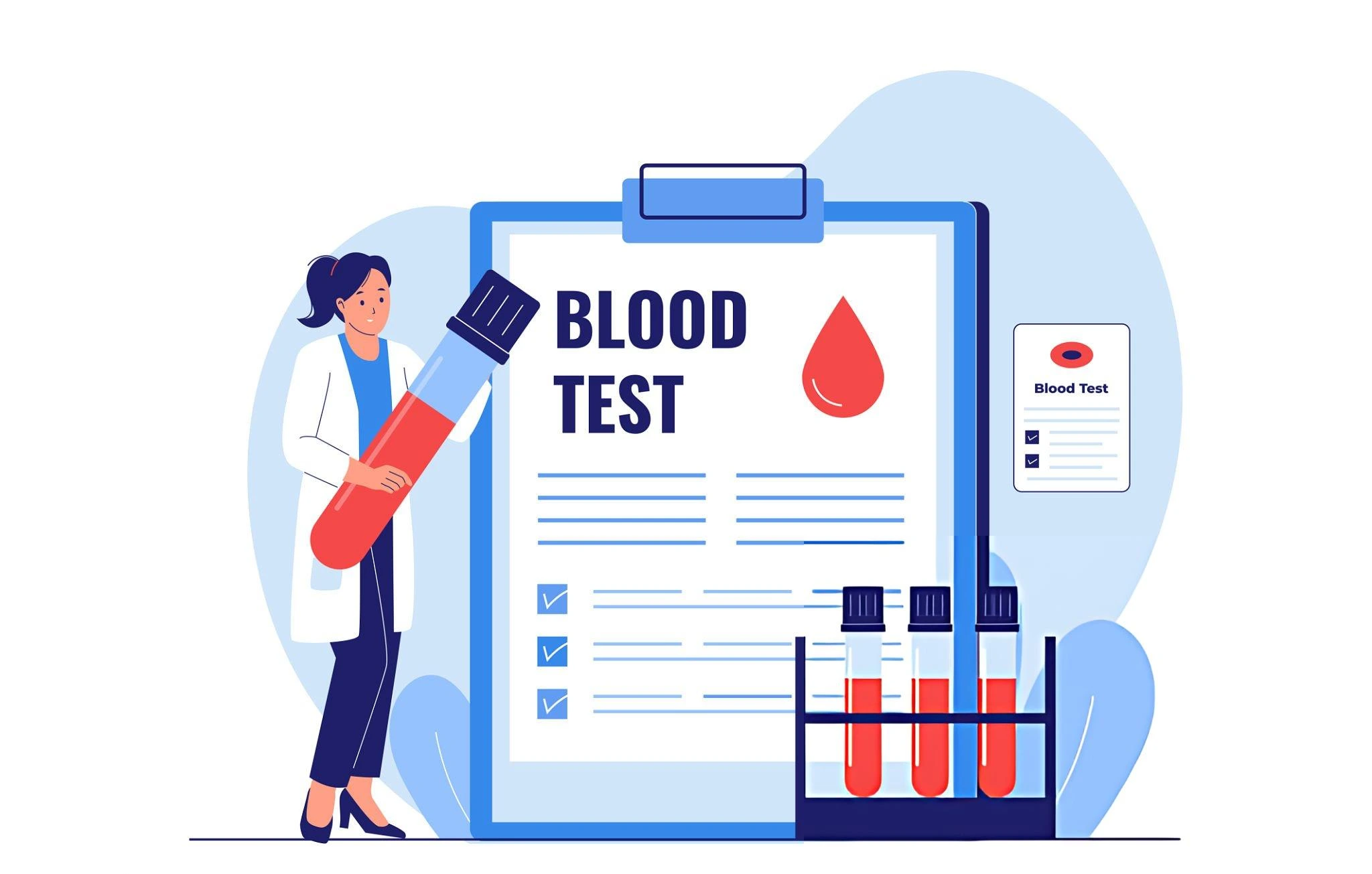
What Routine Blood Tests Can Tell You About Your Health

Many health problems do not cause obvious symptoms in their early stages. You can feel completely fine and still have changes happening inside your body that are worth knowing about. This is one reason why routine blood tests play a useful role in everyday GP care.

When your doctor orders blood work, they are building a clearer picture of your overall health. The results help them look beyond what they can see and hear during a consultation. Combined with your symptoms, history, and physical assessment, blood tests give your GP important information to work with.

If you want a clearer picture of your overall health, speaking with a Wallsend GP can be a practical first step, especially when you have ongoing symptoms, family history concerns, or questions about routine check-ups.

Why Routine Blood Tests Matter

Blood tests are one of the most commonly used tools in general practice. Your GP may order them for several reasons, depending on your age, health history, and what you are experiencing.

They are not just for unwell people. Many doctors use routine blood work as part of preventive care to catch changes before they become bigger problems.

Common reasons a GP may order a blood test include:

  • Checking general health markers during a routine review
  • Investigating symptoms such as tiredness, dizziness, or weight changes
  • Monitoring a long-term condition such as diabetes or thyroid disease
  • Reviewing how your body responds to medication
  • Tracking results over time to notice any changes

One result alone does not tell the full story. Doctors interpret results alongside your symptoms, your history, and the clinical picture as a whole.

What a GP Looks For in a Routine Blood Test

Routine blood work is not just one test. It is often a group of checks selected based on your age, symptoms, medical history, and risk factors. Your GP will choose which panels are relevant for you at a given point in time.

Here are some of the most commonly ordered blood tests in general practice and what they are generally used to assess.

Full Blood Count

A full blood count, often called an FBC, looks at your red blood cells, white blood cells, and platelets. It gives your GP a broad overview of your blood health.

The results may help your doctor look into issues such as anaemia, signs of infection, inflammation, or unusual bruising. It is one of the most frequently ordered tests in GP clinics across Australia.

Blood Sugar Levels

Blood glucose testing and HbA1c checks are used to assess how your body is managing sugar. These tests can help identify diabetes risk or support ongoing monitoring if you have already been diagnosed.

Your doctor may consider ordering these if you have symptoms such as ongoing fatigue, increased thirst, or frequent urination. Family history is also a relevant factor.

Cholesterol and Heart Health Markers

A lipid panel checks your cholesterol levels, including LDL, HDL, and triglycerides. These results may give useful information about your cardiovascular risk.

Results are not looked at in isolation. Your GP will consider them alongside your blood pressure, family history, weight, lifestyle, and any existing conditions before deciding if any changes to your care are needed.

Liver and Kidney Function

Liver function tests and kidney function tests check how well these organs are working. They may be ordered during medication reviews, as part of a health assessment, or when you have symptoms that suggest something may need closer attention.

These tests are particularly relevant if you take regular medications, have a long-term health condition, or are over 40 and have not had a recent health review.

If your doctor recommends blood work, local pathology services can help make the next step easier as part of your broader GP care and follow-up. Wallsend Healthcare has on-site pathology collection available for patients.

What Blood Tests Can Reveal About Common Health Concerns

This is often what people most want to understand. Routine blood tests can support the detection of a range of health concerns, particularly in their earlier stages when they may not yet cause obvious symptoms.

Depending on which tests are ordered, results may help identify or support further assessment of:

  • Iron deficiency or low red blood cell levels, which can contribute to fatigue
  • Raised blood sugar levels may indicate diabetes risk or early type 2 diabetes
  • Cholesterol changes that may be linked to cardiovascular risk
  • Thyroid function changes that can affect energy, weight, and mood
  • Vitamin D or B12 deficiency is clinically relevant if symptoms are present
  • Kidney or liver markers that may warrant further review
  • Signs of infection or inflammation that are not yet producing obvious symptoms

It is important to note that these are possibilities, not certainties. A result that falls outside the reference range does not automatically mean something is seriously wrong. Your GP will discuss what the findings mean for you specifically.

What Blood Tests Cannot Tell You on Their Own?

Blood tests are useful, but they have limits. A normal result does not always explain every symptom, and some conditions may not appear clearly in routine testing. At the same time, an abnormal result does not always mean something serious, as small variations are common.

Blood tests are only one part of your overall health assessment. Your GP considers your symptoms, medical history, and other factors before making any decisions. Results are best understood in context rather than on their own.

When a GP May Recommend Routine Blood Tests

There is no single rule about when blood tests are needed. It depends on your individual circumstances. That said, there are common situations in general practice where your doctor may suggest routine blood work.

These include:

  • Ongoing tiredness or weakness that does not have an obvious cause
  • Unexplained weight gain or weight loss
  • Family history of diabetes, cholesterol problems, or thyroid conditions
  • Attending a routine health check, particularly after age 40
  • Monitoring an existing long-term condition
  • Reviewing medications that may affect organ function over time
  • Following up on previous results that were outside the expected range

If any of these apply to you, it is reasonable to raise the topic with your GP at your next appointment.

Routine blood work is often part of broader health assessments, especially when you want to check risk factors early or review ongoing symptoms with a GP. Speak with our Wallsend team to discuss what testing may be relevant for you.

How to Make Sense of Your Results

Getting results back can feel overwhelming, especially if some values are flagged as outside the normal range. Here is what is useful to keep in mind.

Lab reference ranges are based on statistical averages from large populations. Being slightly above or below a range does not always mean something is wrong. Age, sex, hydration, time of day, and recent activity can all influence certain results.

Key things to understand about reading blood test results:

  • Lab ranges are only one part of the picture, not the full story
  • Your age, symptoms, and medical history all affect how results are interpreted
  • Trends over time may matter more than a single reading
  • Follow-up recommendations depend on the full clinical picture, not numbers alone

Your GP is best placed to explain what your results mean for you. If you receive results and feel unsure, booking a follow-up consultation is a sensible step rather than trying to interpret the numbers on your own.

Why Follow-Up Matters After a Blood Test

Once results come back, the next steps will vary depending on what was found. Some results are reassuring and need no further action. Others may suggest that some changes or further review are worth considering.

Common follow-up pathways after a blood test include:

  • Simple reassurance that results look appropriate
  • Repeat testing in a few weeks or months to monitor a trend
  • Lifestyle advice around diet, activity, or sleep
  • Starting or adjusting medication
  • Referral to a specialist for a more detailed assessment

In most cases, follow-up is calm and manageable. The goal is to address any concerns early rather than waiting for symptoms to become more significant.

If you are comparing consultation costs or want to understand Medicare rebates, fees, or whether reduced-fee arrangements may apply, it can help to check the clinic’s current fee information before booking.

The Value of Routine Testing in Preventive Care

Routine blood tests help GPs understand your overall health and identify changes early, even before symptoms appear. They are not about finding problems without reason but about giving a clearer picture of what is happening inside your body so care can be timely and appropriate.

These tests are most useful when reviewed over time as part of ongoing GP care. A single result offers limited insight, but regular monitoring helps track trends and supports better health decisions based on your full medical history.

To book a GP consultation at Wallsend Healthcare,
visit Wallsend Healthcare or call (02) 4951 2100.
Our clinic is located at 25-27 Kokera Street, Wallsend NSW 2287

Best Nutrition Guidelines for Children Aged 1–12

Key Takeaways:

  1. Nutrition Builds Foundations for Life: Early eating patterns shape health outcomes. A balanced, varied diet supports your child’s physical growth, cognitive development, and immunity.
  2. Age-Specific Needs Matter: Nutritional requirements change as children grow. From toddlers to pre-teens, each stage demands tailored attention to foods, nutrients, and portion sizes.
  3. Parents Play a Critical Role: What you offer and how you model healthy eating habits influences your child’s choices for life.

At Wallsend Healthcare, we understand that good nutrition is one of the most important gifts you can give your child. Our team supports families with expert guidance on children’s health – starting with the food on their plate.

Children are constantly growing—physically, mentally, and emotionally. Their energy needs are high, but more than just calories, they need nutrient-rich foods to support development.

Poor nutrition during these early years can lead to long-term issues like stunted growth, obesity, weakened immunity, and learning difficulties. That’s why a healthy, balanced eating pattern is essential for your child’s success in school and in life.

Healthy Eating Pattern for Children

A healthy eating pattern includes:

  • Variety of fruits and vegetables
  • Whole grains like oats, brown rice, and wholemeal bread
  • Fat-free or low-fat dairy products, or fortified soy beverages
  • Lean protein sources, such as eggs, fish, chicken, legumes, and tofu
  • Healthy fats from nuts, seeds, and avocados

Avoid foods high in added sugar, saturated fat, and salt. These provide little nutrition and increase the risk of health problems.

Nutrition Guidelines by Age Group

1 to 3 Years (Toddlers)

At this stage, young children are exploring new tastes and textures.

  • Offer small, frequent meals and snacks
  • Focus on soft fruits, steamed veggies, and protein-rich finger foods
  • Introduce dairy products like yogurt and cheese
  • Avoid sugary drinks, opt for water and whole milk

Tip: Use child-sized portions and let your toddler self-feed to encourage independence.

4 to 8 Years (Preschool & Early Primary)

Children become more active, and appetites increase.

  • Provide a variety of foods to meet energy needs
  • Include whole grains, colourful fruits and vegetables
  • Offer nutrient-dense snacks like fruit slices, cheese, or hummus
  • Encourage breakfast every day to boost concentration at school

Watch for: Food marketing targeting children—teach them how to read food labels and make smart choices.

9 to 12 Years (Late Primary)

As puberty begins, nutrient demands rise significantly.

  • Ensure adequate iron (lean meats, spinach, lentils)
  • Prioritise calcium and vitamin D for bone growth (milk, cheese, leafy greens)
  • Keep added sugars and processed foods to a minimum
  • Involve children in meal planning and prep to build healthy habits

Important: Growth spurts may cause temporary appetite changes. Keep offering balanced meals and avoid pressure to eat more or less.

What to Limit or Avoid

  • Soft drinks and energy drinks – high in sugar and caffeine
  • Highly processed snacks – chips, lollies, and fast food
  • Excess salt – check packaged foods for sodium levels

Reading food labels can help identify hidden sugars, fats, and additives in “kid-friendly” items.

Balanced Meals and Snack Ideas

  • Breakfast: Scrambled eggs, wholegrain toast, fruit
  • Lunch: Chicken and salad wrap, veggie sticks, water
  • Snack: Yogurt with berries or homemade trail mix
  • Dinner: Grilled fish, brown rice, steamed veggies

What About Picky Eaters?

It’s normal for children to go through phases of food refusal. Offer new foods alongside familiar ones, and never force them to eat. Instead, create a positive mealtime environment.

Modeling healthy eating is the most effective way to teach kids. If they see you enjoying a variety of healthy foods, they’re more likely to do the same.

Supporting Your Child’s Health Beyond the Plate

Nutrition isn’t the only factor in your child’s growth and development. Regular check-ups ensure their health is on track.

At Wallsend Healthcare, we offer comprehensive child health checks aligned with NSW’s Blue Book schedule, ensuring your child’s nutrition, physical health, and developmental milestones are properly monitored.

Book a Child Health Consultation at Wallsend Healthcare

If you’re unsure whether your child is meeting their nutrition needs or just want a tailored plan for healthy eating, come see us at Wallsend Healthcare. Our caring team is ready to support your family with expert advice on everything from meal planning to food allergies.

Visit us or call 0249512100 to schedule your appointment.

Good nutrition starts early let’s build healthy habits together!

Summer Safety Tips for Kids – Sun, Water, and Bug Protection

Key Takeaways:

  1. Sun Safety Isn’t Optional: Kids’ skin is more sensitive to sun damage, and repeated exposure can lead to serious long-term health problems. Start early with sunscreen, hats, and shaded breaks.
  2. Water Safety Saves Lives: Whether it’s the beach or a backyard pool, children should always be supervised. Knowing how to swim and understanding water risks are essential.
  3. Don’t Forget the Bugs: Insects like mosquitoes and ticks aren’t just annoying—they can carry serious diseases. Teach your children to avoid bites and know what to do if they get one.

When summer hits Australia, it brings sunshine, beaches, and plenty of time outdoors for families. But while the season is fun, it also comes with health risks for children. At Wallsend Healthcare, located at 25/27 Kokera St, Wallsend NSW 2287, we see many preventable issues during these warmer months. That’s why we’ve put together expert tips to keep your child safe.

Why Summer Safety Matters for Kids

Children’s bodies and immune systems are still developing. Their skin burns faster. They’re more prone to dehydration. And they may not yet recognize danger. All of this means you need to be proactive about keeping them safe during the summer.

Sun Safety Tips Every Parent Should Know

The sun might feel great, but it can do real harm to your child’s skin if precautions aren’t taken.

  • Use SPF 30 or higher sunscreen and reapply every two hours, especially after swimming.
  • Dress them in sun-safe clothing – long sleeves, sunglasses, and broad-brimmed hats.
  • Seek shade between 10 AM and 4 PM, when UV rays are strongest.
  • Teach your children about the importance of protecting their skin so they develop lifelong habits.

Water Safety: Pools, Beaches & Beyond

Australia’s love for water comes with risks – especially for young children.

  • Always supervise children in or near water, no matter how shallow.
  • Enroll your child in swim lessons early to build water confidence.
  • Fence your home pool and ensure it meets safety regulations.
  • Talk to your child about staying in designated swimming zones and obeying signs or lifeguards.

Bug Protection: Mosquitoes, Ticks, and More

Bug bites are more than just itchy. In some areas, they can lead to illness.

  • Use insect repellent that’s safe for kids. Look for DEET-free formulas for sensitive skin.
  • Cover skin with lightweight long sleeves and pants when possible.
  • Avoid areas with standing water, where mosquitoes breed.
  • Check for ticks after bushwalks or camping.

Hydration and Heat Safety

Dehydration and heat exhaustion happen fast in kids.

  • Encourage frequent water breaks—even if they don’t feel thirsty.
  • Avoid sugary or caffeinated drinks.
  • Pack water-rich snacks like fruits.
  • Watch for signs of heat exhaustion like dizziness, nausea, or fatigue.

Safety Around Outdoor Play

  • Inspect playgrounds for hot surfaces and broken equipment.
  • Teach your child not to wander off during picnics or outings.
  • Set a check-in plan for older kids when outdoors with friends.

When to Seek Medical Help

If your child has a persistent fever, skin rash, difficulty breathing, or unusual bite reaction – seek medical care immediately.

At Wallsend Healthcare, we welcome all child health concerns, especially during the summer. Whether it’s a routine checkup or advice about sunburn, bites, or outdoor injuries, our GPs are here to help.

Child Health Checks at Wallsend Healthcare

We also offer scheduled child health checks that follow NSW’s Personal Health Record (Blue Book). These checks help you monitor your child’s growth, development, and general wellbeing:

  • 1 to 4-Week Check – Early life wellness screening.
  • 6 to 8-Week Check – Development review + first major immunisations.
  • 6-Month Check – Continued monitoring + immunisation support.
  • 12-Month Check – Key milestone check + vaccine update.
  • 18-Month Check – Developmental milestone review.
  • 2-Year Check – Communication and motor skill evaluation.
  • 3-Year Check – Growth and cognitive assessments.
  • 4-Year Check – Full pre-school readiness exam.

These checks are essential for long-term health and development. Our clinic is committed to providing expert care in a calm and child-friendly environment.

Book Your Child’s Summer Check-Up Today

Your child’s health is priceless. At Wallsend Healthcare, we’re ready to support your family all summer long. For any concerns – sun safety, bug bites, heat exhaustion, or general development – book a consultation with our friendly doctors today.

Stay safe and have a joyful summer!

Common Childhood Illnesses and How to Stop Them

Young children tend to get sick a lot because their immune systems are still developing and they come into contact with many other kids. Some are mild, others can complicate the disease if untreated. Parents, teachers and caregivers need to recognize these conditions and help to prevent them.

Common Childhood Illnesses

Common cold and flu spread through coughing, sneezing and touching contaminated surfaces. Common symptoms are fever, sore throat, cough and fatigue. As schools and daycare centers remain open, kids are inevitably going to catch these infections.

Prevention Tips:

  • Teach children to wash their hands with soap.
  • So keep them away from sick people.
  • Do give them a balanced diet to increase immunity.
  • Promote vaccination against flu for additional safety.

Ear Infections

Children suffer frequent ear infections because they have small ear canals. They lead to ear pain, fever and difficulty sleeping.

Prevention Tips:

  • Keep the ears dry after swimming or bathing.
  • Do not expose children to cigarette smoke, which raises the risk.
  • Make sure children are up to date on routine vaccinations.

Gastroenteritis (Stomach Flu)

Gastroenteritis leads to diarrhea, vomiting, and dehydration. It can be transmitted through contaminated food and water.

Prevention Tips:

  • Wash hands after going to the bathroom and before eating.
  • Do not provide children food obtained from unsafe sources.
  • If they have symptoms, make sure children drink plenty of fluids.

Hand, Foot, and Mouth Disease

The viral infection causes fever, sores in the mouth and rashes on the hands and feet. It is transmitted in daycare centers and schools through direct contact.

Prevention Tips:

  • Regularly wipe down toys and surfaces.
  • Instruct children never to share drinks and cutlery.
  • Do not send infected children to school until they are well.

Chickenpox

Chickenpox results in blistering, itchy spots, fever, and fatigue. It is transmitted through the air and direct contact.

Prevention Tips:

  • Long-term protection only comes with vaccination.
  • Keep your distance from people with the virus.
  • Trim nails to avoid scratching and infections.

Asthma

Asthma is a disease in which airways become inflamed, making it hard to breathe. Examples: Dust, pollen, cold air.

Prevention Tips:

  • Recognize and stay away from triggers.
  • Take inhalers prescribed, as needed.
  • Home cleaning should be dust-free.

Measles, Mumps, and Rubella (MMR)

These viral infections can lead to fever, rashes, swollen glands and serious complications in some people.

Prevention Tips:

  • The MMR vaccine is used against these diseases.
  • Parents should have their children up to date on all routine vaccinations.
  • Do not touch sick people

How to Stop These Illnesses

Hygiene and Cleanliness

  • Teach them to wash their hands after using the bathroom and wash before meals.
  • Disinfect surfaces that are often touched, like toys, doorknobs and tables.
  • Promote good cough hygiene (cough into the inside of your elbow)!

Strengthening the Immune System

  • Offer children healthy portion sizes, inclusive of fibers, aquatics, amino acids, etc.
  • Make sure to allow enough sleep for proper growth and immunity.
  • Promote outside play and physical activity to enhance overall wellbeing.

Safe School and Daycare Practices

  • Schools should have appropriate ventilation and cleanliness.
  • Otherwise, sick children should remain at home until they are better.
  • Teachers and caregivers ought to keep an eye on symptoms and step in early.

Seeking Medical Help When Needed

  • A fever over 100.4°F (38°C) that doesn’t go away needs treatment.
  • Signs of an emergency are difficulty breathing, severe dehydration or loss of consciousness.
  • Parents should see a doctor if a child’s symptoms do not improve in a few days.

If you’d like professional advice or follow‑up for your child’s symptoms, get in touch with our experienced Wallsend GP team at our main site.

The Role of Telehealth in Childhood Illnesses

Telehealth services enable parents to communicate with doctors without going to a clinic. This minimizes exposure to other sick people and offers quick medical advice.

Benefits of Telehealth:

  • Immediate access to doctors for minor illnesses.
  • Prescriptions and treatment plans without waiting at clinics.
  • Guidance on when a child needs in-person care.

 Conclusion

Hygiene, nutrition, vaccines and prompt treatment when necessary are key to preventing childhood illnesses. Parents, caregivers and educators all help keep children healthy. Many infections can be prevented and children can be grown with robust immune systems by the following preventive measures.

Men’s Mental Health: What you need to know

Men’s mental health in Australia is a very significant issue that requires a lot of attention. The societal expectations to remain stoic can inhibit men from asking for assistance.  Additionally, it consequently raise the likelihood of suicide and severly impacts their overall health. The taboo regarding men’s mental health needs to be shattered. Luckily, Australia has taken some initiatives to address this issue on a national and international level. Some services offer confidential support and care to specific men , who are dealing with adverse mental crises. Doctors and healthcare professionals can provide men’s mental health treatments , stress management for men and men’s mental health consultation. By freely discussing men’s health and using the available resources  we can create an ambiance of encouragement and support to prioritise their emotional well being.

There are various factors that can contribute to disturbing men’s mental health. 

  • Social Stigma: The negative perception of societal expectations around masculinity can make it difficult for men to ask for assistance for mental health concerns.
  • Stress From Work:  Job insecurity, financial stress, and long working hours can cause stress and anxiety. Lack of stress management for men is also a great cause.
  • Difficult Relationships: Bad relationships can also contribute to bad mental health. divorce , breakups or fatherhood can take a toll on mental health.
  • Bad Health: Chronic or permanent bad health conditions can worsen men’s mental health. 

Here are some of the mental challenges that men usually face:

  • Depression or Dimmed Spirits: In Australia about 1 in 8 men can go through depression.  Depression symptoms mainly include hopelessness, feelings of sadness, no interest in activities, loss of appetite, disturbed sleep cycle, and difficulty concentrating.
  • Substance Abuse: Difficult emotions are usually coped with by men through the use of alcohol and drugs. Men’s mental health services in Australia are very active and are doing their best to help these men. 
  • Anxiety: some men may experience symptoms like fatigue, muscle tension and poor sleeping cycle alongside fear and wear.
  •  Post-traumatic Stress Disorder (PTSD): Men can witness PTSD , after experiencing a traumatic event.

Warning Signs To Be Mindful For:

Early diagnosis or intervention is very important for effective men’s mental health treatment. Here are some symptoms that should not be compromised: 

  • Changes in behaviour and uncertain mood swings
  • Difficulty facing stress
  • Disturbed physical health 
  • Suicidal thoughts
  • Alcohol and drugs consumption

If someone near you shows you these symptoms then never ignore them and take immediate assistance.

Men’s Mental Health Treatments In Australia:

Australia is offering a variety of different treatments to address the men’s mental health challenges.Some of them are mentioned below:

  • Therapy: Talking therapies like the CBT (cognitive behavioural therapy)are widely available within the country. These can be delivered by therapists and psychologists who have a better understanding of dealing with mental disorders.
  • Medication: To manage symptoms effectively General Practitioners in Australia can help to evaluate your needs. Additionally they will offer a prescription of medications like antidepressants and anti anxiety.
  • Lifestyle Changes: Good lifestyle can help a lot in dealing with mental disorders. Healthy eating, regular exercise, good sleep and positive thinking can significantly help a man to improve mental well being.
  • Support Groups: Connecting with other men who understand what you’re going through can provide valuable support Connecting with other men experiencing similar challenges can be an incredible support. Many Australian organisations offer men support groups. These groups are a safe place to openly talk about your mental health.

Stress Management for Men

If a man is suffering from chronic stress then it will impact his mental health. Stress management for men is very important to help them survive and face the world.  Luckily there are effective and simple techniques and treatments available. Daily exercise is a strong stress reliever, boosting energy and mood. For mental clarity and resilience, a healthy diet is very important . Trying some relaxation techniques can also help to manage stress like yoga, meditation,or deep breathing. Lastly , fostering some very strong connections and setting healthy boundaries to avoid overload are crucial. Overall by incorporating these strategies, men can significantly improve their mental well being .

Men’s Mental Health Services

In Australia, a multitude of resources are accessible for men who require help with their mental wellness. Your General Practitioner should be your first priority of contact for assessment and referral to mental health services. Other than that there are so many organisations working at government level to support and help men.

Looking after your buddies

Men are often very reluctant to share their inner feelings and suffering . If you see a friend or mate struggling, encourage them to reach out for support. You can refer them to our website wallsend healthcare to help them get the best decisions.

Men’s mental health is an important component of overall health. We should spread awareness and understand the condition of men’s mental health. By addressing these issues and openly discussing them we can create a supportive environment where men feel empowered to seek help and assistance. Men’s mental health consultation can provide a confidential place to men to freely consult about their mental crisis.

Your Guide to Happy and Healthy Pregnancy 

Extra care is needed in pregnancy because it is a very delicate and demanding moment of life and through it we ensure the well-being of both the mother and the baby. Both the mother and the baby go through a lot of changes during pregnancy. To avoid complications during pregnancy regular checkups and testing are very important and it is not just this but mothers need continuous support during this time because they go through a lot of changes such as physical and emotional changes.

Physiological changes such as alteration in metabolism and hormonal changes. These changes are essential for pregnancy but they also come with risks of certain complications.

Gestational diabetes which causes an increase in blood sugar levels during pregnancy can be concerning for both the mother and the baby.

Preeclampsia is characterized by high blood pressure. If it’s left untreated, it can lead to seizures, organ damage, and even death of the mother or fetus.

Nutritional Requirements

During pregnancy nutritional requirements of mothers change drastically because they need to support themselves and the fetus. Adequate nutrition is very important for fetal development.

Certain nutrients are important first fetal growth such as

1) Folic acid

2) Calcium

3) Iron

4) Omega-3 fatty acids

Folic Acid

Centers for Disease Control and Prevention (CDC) recommends that pregnant women should take 400 micrograms of folic acid daily through diet and supplements. Its deficiency can lead to spinal bifida( defect of spine) and anencephaly(a birth defect in which a baby is born without parts of the brain and skull).

Calcium is important for the growth of bone and teeth formation in a fetus.

Iron is another critical nutrient and its deficiency can lead to iron deficiency anemia.

Omega-3 fatty acids help in the development of a fetus’s brain.

All of these nutrients can be gained through various fruits, vegetables, lean proteins, and whole grains and supplements prescribed by doctors.

Harmful Agents

Agents like alcohol, tobacco, certain medications, and illicit drugs can be very detrimental to the development of a baby and can result in various birth defects.

  •    Alcohol consumption can lead to Fetal Alcohol Spectrum Disorder (FASDs), which includes physical, cognitive, and behavioural ailments.
  •    Smoking can cause preterm birth, respiratory problems, sudden infant death syndrome (SIDS)
  •    Drugs like cocaine, heroin, and methamphentamine can cause miscarriage, preterm birth, stillbirth, and neonatal withdrawal syndrome.
  •   Other than illicit drugs pregnant women should consult their doctor before taking any medication.

Emotional wellbeing

During pregnancy, women go through a range of emotions from the excitement of being a parent to anxiety and stress of coping with the changes. This is due to hormonal changes, physical discomfort, and pre-existing mental health conditions.

Positive pregnancy experience can be attained through maintaining emotional and mental well-being. Partners, family members, friends, and healthcare professionals can be very valuable as they help women navigate through challenges and uncertainties in pregnancy.

Furthermore, engaging in activities like meditation, deep breathing exercises, progressive muscle relaxation, and certain physical activities that are allowed by the doctor can help enhance the mood and give a sense of calm during these stressful circumstances.

Now we will try to answer some of the most asked questions regarding pregnancy

Is Paracetamol safe in pregnancy?

Various studies have shown that paracetamol is considered safe during pregnancy if it’s used in the recommended dosage. Paracetamol is generally used for headaches, fever, or muscle aches. Always discuss medication use with your GP

How to use a pregnancy pillow?

Pregnancy pillows can be used to support various areas of the body like the neck, back, abdomen, hips, and knees. They provide support and comfort and are of many types.

Position the pillow to make an upside-down U. Lay in the middle of the upside-down U so your head and neck are supported and the sides surround you. You can place the side of the pillow under your belly and/or between your legs to relieve pressure on your belly, hips, and back

When to take a pregnancy test?

The best time to take a pregnancy test is when your period is late. If you don’t know when is your period, take a pregnancy test at least 21 days after you have unprotected sex.

Can twins cause false negative results on pregnancy tests?

Yes, it is possible for twins( triplets or quadruplets) to cause false negative results.

When hCG is too high, an improper ratio of the hCG and the antibodies in the pregnancy test can occur and overwhelm the pregnancy test causing a false negative test. This phenomenon is called the “hook effect,” and it’s very uncommon

Can you eat prawns during pregnancy?

Yes, as long as they’ve been thoroughly cooked, prawns are safe to eat during pregnancy. Cold pre-cooked prawns are also fine to eat.

Why is the 10th week of pregnancy the worst?

During the 10th week of pregnancy incidence of nausea and vomiting increases. The level of the pregnancy hormone human chorionic gonadotropin(hCG) is highest in 10th week which results in morning sickness.

Do pregnancy tests expire?

All pregnancy tests have a shelf life. Some expire earlier than the other. Generally, tests are considered good for 1-3 years after manufacture.

Is magnesium safe in pregnancy?

Depending on your age, you need anywhere from 350 to 400 milligrams of magnesium every day while you’re pregnant. It is very important for almost every system in your body and your baby’s body.

Is pineapple good for pregnancy?

Pineapple is still an excellent source of nutrients that can help keep the mother and baby healthy during your pregnancy. It’s rich in antioxidants like vitamin C, which can help reduce inflammation during pregnancy.

Can you eat hummus during pregnancy?

Hummus is made from sesame seeds which are also a salmonella risk so avoid eating sesame seeds and ready-to-eat products such as tahini, halva, and hummus. Sesame seeds that have been heat treated are safe to eat. Toxoplasmosis is an infection that can cause brain and eye damage in the baby.

Is coconut water good for pregnancy?

Yes. Coconut is a nutritious and safe food choice for pregnant women due to its rich content of fiber, vitamins, and minerals, including iron, calcium, magnesium, and phosphorus. Additionally, the magnesium in coconut is associated with higher birth weight and reduced risk of preeclampsia (a pregnancy complication).

Is kombucha safe during pregnancy?

No, it is not safe to use kombucha during pregnancy has it has alcohol, caffeine, or contamination.

Why avoid bananas during pregnancy?

Eating bananas during pregnancy can be beneficial m. However, too much of bananas can cause certain complications such as

  • Gestational diabetes
  • Latex fruit syndrome
  • Hyperkalemia
  • Tooth decay

Are medicated throat lozenges safe during pregnancy?

The safety of medicated throat lozenges basic range of products in pregnancy and lactation has not been established but is not expected to constitute a hazard during these periods. However, as with all medicines taken during this period, caution should be exercised. It is best to consult with a doctor before using the product if you are pregnant or lactating.

Affect of Domestic Violence on children’s mental health

Domestic violence among children has become a serious concern today. Domestic violence
includes physical abuse, psychological abuse, financial abuse, or sexual abuse. Domestic violence has
long-lasting and serious effects on children’s mental health.
Even though awareness and education rates are increasing, domestic violence is not seen as a
decline.

A lot of reasons contribute to this behavior. Financial instability, financial dependence,
unemployment, stress, anxiety, abusive past, abuse of alcohol and drugs, gender inequalities, work
Load and shame to get help are a few of the causes of domestic violence.
At a young age, children are sensitive to surrounding stimuli, and these things contribute
to their learning, that’s why the environment at home and school plays a vital role in the upbringing of
a child.

Effects on Children’s Health:

In most cases, children are the unintended victims. Side effects can be psychological.
emotional or behavioral.

Psychological effects

Children due to domestic violence can develop stress, fear, instability, nightmares, and
flashbacks. The victim’s sense of safety and trust can be shattered in this condition, as a result of which
They find it difficult to develop healthy relationships in the future, and they might not try to seek help.
due to fear.

Emotional effects

Children might blame themselves for the cause of abuse and can develop feelings like guilt.
shame, depression, and lower self-esteem. Children under abuse can also develop self-destructive
behavior, if it’s not dealt with in a timely manner.

Behavioral effects

Children might become aggressive at home or at school. They can turn into bullies just to hide
their own issues and to fit into the environment, and this behavior can become permanent when
they grow up. Children can struggle academically because they can’t concentrate on their studies.
and tasks due to their mental health.

These things not only destroy their childhood but also affect their adult lives in serious ways. If not
treated, it can lead to post-traumatic stress disorder( PTSD), substance abuse, stress, and depression.
Post-traumatic stress disorder( PTSD).

People with PTSD can have unstable work and personal lives. They find it difficult to maintain.
stable employment and relationships. They can experience social withdrawal and isolation.
Domestic violence is a very sensitive matter, and it should be addressed in a very sensitive way.

How to address domestic violence?

In order to address this, its root cause should be highlighted and dealt with. A lot of work is being done.
done to deal with this issue. Governments around the world have criminalized domestic violence with
very strong punishments for perpetrators. There are various shelters and hotlines with trained
professionals who provide counseling, support, and advice to the victims.

Create awareness

A lot of efforts are being made to create awareness among the public regarding this matter. This is being done through
community programs, sessions for children in schools, and through media campaigns. Through these
programs, we cannot only help victims but also offenders because they can be deeply rooted in the
oppressor’s brains due to traumatic pasts, and only through these programs can they learn to get help.

Therapy

From a therapist, and therapy is one of the main ways to help reduce this behavior.
It sounds easy, but it’s not that simple, especially in the case of children, because they are
dependent on their family members, and in many cases, those family members are abusers.

Family relationships:

Children should be encouraged to speak up about their issues. Strong relationships with some
adults in the family or even in school so that children know who to trust with such sensitive matters.
Other than the community, teachers and doctors can play a vital role in identifying a case of abuse. It

Awareness at school

It is the duty of a doctor and a teacher to report any such issue to the concerned bodies. Children
should be taught in school about healthy relationships, boundaries, good and bad touch, etc.

Children’s Health Program by Wallsend Healthcare

At Wallsend Healthcare, we give great importance to the physical as well as mental health of
children, and we try to identify any such case at the earliest. We have a team of well-trained doctors.
who are working tirelessly to eradicate such evils? In addition to providing standard medical care, Wallsend Healthcare is participating in community
programs. We engage people in our various events, like workshops, to promote awareness regarding
mental and physical health.

Final Verdicts

Domestic violence is a great evil that needs to be addressed as soon as possible. All of the victims
should have access to support services. There should be even more strict laws for offenders. All of
This needs to be done because children are our future, and if they are exposed to such an atmosphere,
it may have a lasting effect on their personality.

Your Health, Your Choice: Why Wallsend Doctors Stand Out

In this society, you have access to a wide variety of options; yet, if you are anything like the great majority of people, keeping your physical health in good hands should be one of your top concerns. It is possible for a person’s choice of health care provider, whether that provider is a doctor or a hospital, to have a major impact on the patient to which they are pleased with their life in general. This is true whether the person is seeking medical treatment for an illness or an injury.

When patients come to Wallsend Healthcare, it implies that they have faith in their doctors and that they are looking forward to receiving complete treatment. Our knowledge will be gained when we explore this Wallsend Medical Centre. The Wallsend Healthcare are there to provide you with assistance in making the best decision possible regarding your health. Wallsend Healthcare accomplishes this by focussing on simplifying the treatment process as much as is humanly possible and aiming to obtain the best results possible given the nature of your condition.

Choose The Best Doctors at Wallsend Healthcare

Facilities and Services for Medical Care Within Close Proximity

When choosing a doctor, patients typically place a high priority on how easily they can reach that professional. Wallsend Healthcare is situated in an accessible area, making it simple for residents of Wallsend and the surrounding areas to visit the practice. Living in close proximity to a medical institution should be a top priority for people who want immediate medical attention or who need to go in for routine examinations. Because of its accessible location in the heart of Wallsend, our Wallsend doctors offer patients easy access to quality care and health services.

Direct Access to Each and Every Medical Service 

One distinguishing quality is the extensive range of care alternatives that may be obtained at Wallsend Healthcare. In one convenient location, you are able to obtain all of the medical care that you require, including routine preventative care from a family doctor as well as more advanced treatment from a specialist. At Wallsend Healthcare Medical Centre, patients have access to a wide range of medical services, including family medicine as well as men’s and women’s health clinics. With this all-encompassing approach, you can rest assured that every member of your family will be able to receive the care they need without the need to go somewhere else.

The Modern Medical Facility For Men and Women.

Wallsend Doctors is aware that male and female patients have distinct requirements when it comes to their medical care. Wallsend Healthcare has separate doctors to treat men and women in order to better cater to the requirements of their customer base. The extensive range of particular therapies offered at Wallsend Healthcare allows them to address a range of gender-specific health concerns. The medical staff at Wallsend Healthcare has been educated to the point where they are able to address any type of reproductive, gynaecological, or male health issue with both precision and compassion.

Walk-In Clinic and Urgent Care Clinic

When dealing with a severe illness or accident that requires immediate medical attention, it is not always possible to wait for an appointment to become available. When you go to our Wallsend walk-in clinic, you won’t have to worry about making an appointment ahead of time. This is an excellent healthcare facility to choose in times of emergency when a prompt diagnosis and treatment are required, such as when one is dealing with a minor injury or disease.

Professional Diagnosis and Treatment for a Wide Variety of Illnesses

The medical community in Wallsend has access to a comprehensive range of resources, which enables them to treat a broad range of illnesses. You may trust your health in their hands whether you’re suffering from something as minor as a rash or as serious as liver disease. They will treat you accordingly. The experts at the clinic are trained to deliver accurate diagnoses and devise individualised treatment plans for their patients.

Wallsend Doctors are concerned about more than just eradicating sickness; they also want their patients to be in good mental and physical health. They offer services such as health tests, wellness programmes, and workshops that teach you how to improve the decisions you make regarding your own health.

Family Health & Happiness at Wallsend Healthcare

The Wallsend Doctors recognise that their commitment to the families of their patients is an essential part of who they are as a practise. As a consequence of this, they are in a position to deliver treatment that exceeds and goes beyond the patients’ immediate need. They treat you as a valued member of the family since they are dedicated to the health and happiness of your loved ones.

Conclusion

If you and your loved ones are looking for high-quality medical treatment, you should go to them because of their convenient location, extensive services, specialised clinics, walk-in facility, knowledge in a wide range of medical conditions, dedication to the best possible health, and focus on patient families. You should choose Wallsend Healthcare because of all of these reasons. The physicians at Wallsend Healthcare are passionate to assist you in attaining the highest level of health possible, and they adhere to “your health, your choice.”

Wallsend Healthcare & GP Clinic: Where Your Health Story Begins

The care that a person receives, the experiences that they have, and the decisions that they make along the way all contribute to the one-of-a-kind story that is their health journey as it is unfolding. Wallsend Healthcare as the bulk billing Wallsend GP Clinic ought to be in the forefront of your mind whenever you entertain the thought of penning the next chapter in your health. Wallsend Healthcare  is more than just a medical clinic; it is a pillar of the community. 

The healthcare centre can be found in the middle of Wallsend, which is a vibrant suburb of the bustling city of Newcastle. You will find the accessibility, expertise, and care that will pave the path to a healthier, happier, and more fulfilled you thanks to our compassionate healthcare specialists, modern facilities, and commitment to excellence here at Wallsend GP Clinic, which is where your health narrative begins. Join us as we discuss the numerous reasons why beginning a healthy chapter in your life at Wallsend Healthcare is the best choice you can make.

The Wallsend Healthcare, which is often referred to as the Wallsend Medical Medical Centre, Wallsend GP Clinic  is an essential component of the surrounding community. From the last two decades, the residents of the Wallsend suburb in the city of Newcastle have benefited from the services provided by our medical centre.

Your Compassionate Health Advocates, Wallsend Healthcare

The Wallsend Doctors are the institution’s most important resource at Wallsend Healthcare. These members of the independent medical team are more than just doctors; they are compassionate allies in your struggle to maintain a healthy lifestyle. No matter what type of medical care you require — urgent care, urgent care from a general practitioner, or urgent care from a specialist — the doctors and GPs at Wallsend Healthcare are ready to assist you.

The Wallsend Healthcare: At the Centre of World-Class Medical Care

The Wallsend Healthcare is a hub of medical knowledge and practice is upgraded with the most advanced technology and equipment. This ensures that individuals receive accurate diagnoses and effective treatments, all of which are essential for maintaining good health.

The Easily Accessible Professionals in the Medical Field That Are Near you

When it comes to receiving proper medical attention, the phrase “doctors near me” carries a significant amount of weight. Being close to a reputed hospital in the situation of an unexpected medical crisis can make all the difference in the world. The Wallsend Healthcare is well situated in the middle of Wallsend, making it very easy for patients from all walks of life to get the high-quality medical treatment they require.

GPs Near You: Complete Primary Care in One Location

It is extremely important to have quick and simple access to a primary care physician in the area where you live. You may get all of your basic medical requirements met at the Wallsend Healthcare, including yearly checkups, immunisations, and preventative treatment. Our highly trained family physicians and GPs put your health and happiness first, which is why you should consider them an essential component of your medical record.

Wallsend Health Care That Offers Everything Under One Roof

If you are searching for a “medical centre near me,” it is likely because you are interested in finding a location where you will be able to take care of all of your medical needs under one roof. Wallsend Healthcare offers everything from general practises to specialised care under one roof, so you can take care of your health without having to go anywhere else.

Adapting to Changes in Healthcare: Keeping Pace with the Times

In a field of medicine that is always evolving, it is Wallsend Wallsend Healthcare mission to keep their facilities at the modern level of medical technology. In order to give you the best care possible, we have implemented the most advanced technology and implemented the most modern medical procedures.

Our Collaborative Efforts Will Be to Your Advantage.

The collaborative Care efforts improve the patient outcomes, save money, and reduce stigma related to health issues. In health care, teams that collaborate effectively can enhance the quality of care for individual patients. By being prudent stewards and delivering care efficiently, teams also have the potential to expand access to care for populations of patients.

At the Wallsend Healthcare, patients of all ages are welcome, from infants to senior citizens. They acknowledge that the needs of their patients in terms of healthcare shift over the various periods of life, and as a result, they modify the services that they provide accordingly.

When most people in the neighbourhood think of a “GP in Wallsend,” they see the Wallsend GP Clinic in their minds. They have acquired the respect of the surrounding community as a result of the continuously high level of care that they deliver to patients.

Conclusion

Wallsend Healthcare is more than just a clinic; it is the place from where your health will begin to improve. Because of their committed team, advanced facilities, reasonable costs, and convenient location, Wallsend Healthcare is on your side when it comes to your health. The staff at Wallsend GP Clinic is also dedicated to providing patients with service of the possible calibre. The staff at the Wallsend Healthcare genuinely care about you and your health, so you may keep going in the same direction or try something new with confidence.

Children’s Health Services at Wallsend Healthcare

All parents and guardians want what’s best for their kids, which means making sure we are happy and healthy. None of the changes that could be made to protect their health and happiness are even remotely possible. If you really want the best for your child, you should make sure we get the medical care possible. The lovely village of Wallsend is in the city of Newcastle, which is a busy metropolis. Our commitment to greatness is shown by the fact that Wallsend Healthcare has the experienced children’s general practitioner in Wallsend. 

We are aware that children have particular healthcare needs, and as a result, we develop our approach to meet those requirements. When it comes to the wellbeing and contentment of your child, we always do our best in order to offer kids the highest level of care that is feasible.

The fact that our Wallsend doctors provide comprehensive medical care in a single location is among the most distinguishing characteristics of Wallsend Healthcare. Our Wallsend GP clinic and the medical centre offer comprehensive medical care for children, covering everything from routine checkups and immunisations to the diagnosis and management of chronic conditions as well as treatment for accidents and sudden illnesses.

The Wallsend Child’s Health Vaccination Centre

In today’s society, one of the most critical things you can do to protect your child’s health is to get him or her vaccinated. The medical professionals working at our Wallsend healthcare vaccination hub are at the forefront of the mission to raise the overall vaccination rate, and we are here to ensure that your kid receives all of the necessary vaccinations at the appropriate times. Our centralised site gives parents the peace of mind that their child’s immunisation status is up to date and provides a method that is both convenient and reliable for safeguarding their child from diseases that can be prevented.

Choose Wallsend Healthcare To Get An Uninterrupted Medical Treatment

The medical professionals in Wallsend Healthcare are well aware of the fact that the needs of patients may extend farther than what can be accommodated in an emergency department. We provide children’s health services in a supportive clinical environment. In the event that your child requires severe medical attention, having this in place will ensure a seamless transfer from one clinician to the next.

Have complete faith and reliance on the Wallsend GP Clinic

When you think of a “GP in Wallsend,” you probably initially think of Wallsend GP Clinic. Because of our reputation for offering quality care, parents in the Wallsend neighbourhood look to them as a reliable source of information. It can be a source of much-needed reassurance to know that the medical treatment of your child is in the capable hands of experienced doctors who also have compassion for our patients.

Conclusion 

Your child is deserving of nothing less than the very best when it comes to their medical treatment, and the Wallsend Doctors are here to provide most possible care excellence. Wallsend Healthcare is here to offer services that are both thorough and caring, with the goal of ensuring that the health of your child is always their primary concern. Wallsend Doctors are your reliable partners in the health journey of your kid, providing services ranging from immunisations to routine check-ups and beyond. Find your child the very friendly paediatrician in the Wallsend area, and you can rest assured that we will get the attention we so richly deserve.